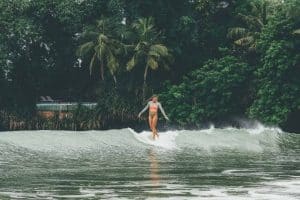
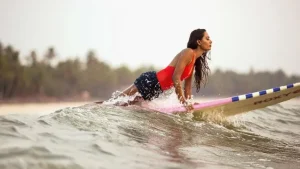
After five years exploring Portugal’s 943 kilometers of Atlantic coastline, I’ve discovered why Portugal has quietly become Europe’s surfing powerhouse. From paddling out at dawn in uncrowded Alentejo to navigating the legendary tubes of Supertubos, Portuguese surf offers something extraordinary for everyone—whether you’re taking your first lesson or hunting world-class barrels. This guide covers beginner-friendly beach breaks, intermediate point breaks, and expert-only reef slabs across Portugal’s diverse regions.
Worth Knowing
- ✓ Portugal delivers year-round surf with waves for every skill level—from gentle summer rollers to powerful winter barrels
- ✓ Affordable prices (€30-80/day total budget) make it Europe’s best value surf destination
- ✓ Ericeira holds World Surfing Reserve status, Peniche hosts the WSL Championship Tour, and Nazaré produces record-breaking giants
- ✓ September-November offers peak conditions—consistent swells, warm water, and manageable crowds
Quick Surf Guide to Portugal
- Best season: September-November for consistent swells and warm water
- Best for beginners: Baleal, Carcavelos, Matosinhos, Mareta (Sagres)
- Best for intermediates: Arrifana, Guincho, Ribeira d’Ilhas
- Best for advanced: Coxos, Supertubos, Nazaré
- Main wave types: Beach breaks, point breaks, reef breaks, big wave spots
- Water temp range: 14-20°C (57-68°F)
- Wetsuit needed: 3/2mm summer/autumn, 4/3mm winter
- Budget level: €30-80/day (affordable for Western Europe)
Why Surf in Portugal?
Unmatched Wave Variety for All Levels
Portugal’s coastline faces directly into the Atlantic’s swell window, receiving powerful North Atlantic storms that generate consistent waves year-round. What makes Portugal truly special is the sheer variety packed into a relatively compact coastline. Within a 90-minute drive, I can access gentle beach breaks perfect for first lessons, intermediate point breaks for progression, and heavy reef slabs that challenge experts.
Year-Round Surfing with Reliable Swells
Unlike many surf destinations depending on specific swell windows, Portugal delivers consistent waves twelve months a year. After surfing here across all seasons, I’ve found that summer brings smaller, cleaner conditions perfect for beginners, autumn activates powerful swells making Portugal world-class, winter unleashes the Atlantic’s full power for experts, and spring provides the shoulder season sweet spot with decent waves and fewer crowds.
Affordable Prices & Welcoming Surf Culture
Portugal remains one of Western Europe’s most affordable countries. After comparing costs across Europe, I’ve found a daily budget of €30-50 covers hostel accommodation, local restaurant meals, and board rental—significantly cheaper than France or California. Portuguese surf culture strikes the perfect balance between welcoming visitors and maintaining authentic local character. I’ve found Portugal generally embraces traveling surfers who show respect and follow basic etiquette.

Best Surf Spots in Portugal by Region

Ericeira: Europe’s Only World Surfing Reserve
Ericeira earned World Surfing Reserve designation in 2011, joining an elite group including Malibu and Santa Cruz. The 8-kilometer stretch contains over a dozen quality breaks, with four world-class waves forming the reserve’s core. Located 40 minutes north of Lisbon, the town maintains authentic Portuguese character despite surf tourism growth.
Coxos – Best for Expert
Wave type: Right-hand reef break
Best swell: Northwest, powerful groundswells
Best season: Autumn-winter
Skill level: Expert only
Hazards: Shallow rocky bottom, intense barrels
Crowds: Heavy when firing, respected local crew
Portugal’s most celebrated wave—a powerful right-hand reef break that barrels with frightening intensity. After watching it fire during proper northwest swells, I can confirm this produces some of Europe’s best tubes. The wave breaks over shallow rocky bottom, demanding expert-level skill and proper respect for the local crew who’ve surfed here for years.
Ribeira d’Ilhas – Best for Intermediate
Wave type: Right-hand point break
Best season: Year-round
Skill level: Intermediate+
Access: Regularly hosts Portuguese championship events
This right-hand point break offers long, workable walls suitable for intermediates. I’ve found it’s Ericeira’s most consistent break, with multiple sections allowing you to choose your challenge level. The wave quality and consistency make it ideal for progression.

Peniche: The WSL Championship Tour Hub
Peniche’s unique peninsula geography creates exceptional surf diversity. When swells are too big on the west coast, the eastern side offers protection. This variety means I can almost always find surfable waves here regardless of conditions. The town maintains authentic fishing village character—many traveling surfers’ first choice as a Portuguese base.
Supertubos – Best for Advanced-Expert
Wave type: Heavy beach break with intense barrels
Best swell: Autumn and winter swells with offshore easterlies
Best wind: East offshore
Best season: September-February
Skill level: Advanced-expert
Crowds: Heavy during WSL events and good conditions
Nicknamed “Supertubes” for good reason—this hollow beach break produces intense barrels that have hosted the WSL Championship Tour since 2009. After watching multiple contests here, I can confirm these tubes rival reef breaks despite breaking over sand. The power and speed demand advanced barrel-riding skills.
Baleal – Best for Beginners
Wave type: Gentle beach breaks
Best season: Year-round
Skill level: Beginner
Hazards: Minimal—sandy bottom
Access: Multiple surf schools with quality instruction
Just north of Peniche, Baleal features a long sandy bay with gentle beach breaks on the sheltered eastern side—perfect for learning. The peninsula nature means you can check waves on multiple exposures within minutes, and numerous surf schools operate here with experienced instructors.
Lisbon Coast: Urban Surfing at Its Best
Portugal’s capital region proves you don’t need to abandon city life to surf quality waves. After living in Lisbon for a year, I loved combining morning surf sessions with afternoon urban exploration of historic neighborhoods, world-class restaurants, and vibrant nightlife.
Carcavelos – Best for All Levels
Wave type: Beach break with consistent peaks
Best season: Year-round
Skill level: All levels
Crowds: Very busy, especially summer
Access: 20 minutes from central Lisbon by train, numerous surf schools and rental shops
Lisbon’s most famous surf beach produces consistent peaks suitable for all levels. Summer sees Carcavelos packed, but I recommend shoulder seasons for more space. Beachfront infrastructure includes excellent cafes and easy public transport access.
Guincho – Best for Intermediate+
Wave type: Exposed beach break
Best swell: Significant Atlantic swells
Best season: Autumn-spring
Skill level: Intermediate+
Hazards: Strong winds common
Crowds: Moderate
Further west near Cascais, Guincho offers more powerful and consistent surf than Carcavelos. This exposed beach picks up significant swell and frequently deals with strong winds. When conditions align with clean swell and light winds, I’ve scored excellent sessions here with dramatic coastal scenery as a backdrop.

Porto & Northern Portugal: Uncrowded Surf
Northern Portugal remains relatively undiscovered by international surf tourists despite offering quality waves. The cooler climate deters some visitors, but I’ve found uncrowded peaks and welcoming communities worth the wetsuit temperatures.
Matosinhos – Best for All Levels
Wave type: Beach break
Best season: Year-round
Skill level: All levels
Crowds: Moderate
Access: Metro accessible from Porto city center
Sits in Porto’s northern suburbs, accessible via metro—one of Europe’s most accessible quality surf spots. The beach break works consistently thanks to good swell exposure. After surfing, Porto’s incredible food scene awaits, including the famous francesinha sandwich.

Nazaré: Big Wave Capital
Nazaré dominates global surf consciousness thanks to Praia do Norte’s record-breaking waves. A massive underwater canyon creates waves exceeding 20-30 meters (65-100 feet) during winter, requiring jet ski tow-in and elite big wave skill. Watching these giants from the Forte de São Miguel headland is one of surfing’s most spectacular experiences.
Praia do Norte best for: Elite big wave surfers only
Best season: Winter (December-February)
Town beach best for: Beginners year-round
Beyond the big wave theater, Nazaré town offers gentle beach breaks suitable for learning, creating the ironic situation where the world’s biggest wave breaks alongside perfect beginner conditions.
Algarve West Coast: Warm Water Paradise
The Algarve’s western coast delivers Portugal’s warmest water and most dramatic coastal scenery. Towering cliffs shelter hidden coves, creating rugged beauty that makes every session memorable.
Arrifana – Best for Intermediate
Wave type: Beach break and point break
Best season: Year-round
Skill level: Intermediate
Crowds: Low-moderate
Features both beach break and point break wrapping around the northern headland. I’ve found the variety means something typically works regardless of swell size. The tiny village maintains authentic character with just enough infrastructure to support visiting surfers.
Sagres (Mareta, Tonel, Beliche) – Best for All Levels
Wave type: Various breaks for different abilities
Best season: Year-round
Skill level: All levels (different breaks)
Crowds: Moderate
Anchors the southwestern tip of Portugal. Mareta provides gentle beginner conditions, while Tonel offers more challenging waves. The dramatic fortress and spectacular sunsets create memorable sessions. Water temperature stays warmer here, reaching 19-21°C in summer.
Alentejo: Portugal’s Hidden Secret
Alentejo remains Portugal’s least developed surf region. The sparse population and rugged landscape create an adventure-surf atmosphere. This region suits experienced surfers with rental cars willing to search for waves. I’ve found Alentejo rewards exploration with empty peaks and authentic Portuguese coastal culture.
Best spots: São Torpes (most accessible), Porto Covo
Best for: Self-sufficient intermediates+
Best season: Autumn-spring
Crowds: Very low
When to Surf in Portugal: Best Seasons & Conditions
Summer (June-August) – Perfect for Beginners
Summer transforms Portugal’s beaches into beginner paradise. The powerful Atlantic swells mellow into gentle rollers averaging 1-1.5 meters (3-5 feet). Water temperatures climb to 17-20°C (63-68°F), with the Algarve sometimes hitting 21°C. A 3/2mm wetsuit handles most sessions comfortably.
The tradeoff is crowds. Popular spots like Carcavelos, Baleal, and Ericeira see significant lineups. I’ve found June offers the best summer balance—waves maintain slightly more size than July-August, and crowds haven’t reached peak levels yet.
Best for: Beginners | Water temp: 17-20°C | Wetsuit: 3/2mm | Crowds: Very busy
Autumn (September-November) – Peak Season
Autumn represents Portuguese surf at its absolute finest. The first Atlantic storms send powerful groundswells toward the coast, creating waves with real size and punch. Average wave heights jump to 2-4.5 meters (6-15 feet) at exposed breaks.
September bridges summer and autumn beautifully—water temperature remains relatively warm (18-20°C), swells show more consistency, but aggressive winter storms haven’t arrived yet. I’ve scored my best Portuguese sessions in October and November when everything aligns perfectly.
Best for: All levels | Water temp: 16-20°C | Wetsuit: 3/2mm | Crowds: Moderate
Winter (December-February) – Big Wave Season
Winter unleashes the Atlantic’s full power. Massive North Atlantic systems generate swells exceeding 6 meters (20 feet) at exposed breaks. This is when Nazaré produces its legendary giants and Coxos barrels with terrifying power.
Water temperature drops to 14-16°C (57-61°F), requiring 4/3mm or 5/4mm wetsuits. I recommend winter strictly for experienced surfers—the powerful swells create heavy, consequence-laden conditions. However, Portugal’s variety means sheltered bays still offer surfable conditions even when exposed coasts are maxing out.
Best for: Advanced/expert | Water temp: 14-16°C | Wetsuit: 4/3mm or 5/4mm | Crowds: Low
Spring (March-May) – Shoulder Season
Spring offers the sweet spot between winter’s power and summer’s gentleness. Swells maintain enough energy to create quality surf, averaging 1.5-3 meters (5-10 feet). Water temperature slowly climbs to 15-18°C by May.
Crowds remain light, particularly in March and April. I find May presents particular appeal as conditions often resemble early summer with consistent, clean waves, warming water, and manageable size—but without summer crowds or prices.
Best for: Intermediate+ | Water temp: 15-18°C | Wetsuit: 3/2mm | Crowds: Low-moderate
Practical Tips for Surfing in Portugal
What to Pack (Wetsuit Guide & Gear)
Northern Portugal ranges from 14°C in winter to 20°C in summer, so wetsuits are essential year-round. After years surfing here, I recommend:
- Summer (Jun-Aug): 3/2mm wetsuit
- Autumn (Sep-Nov): 3/2mm wetsuit
- Winter (Dec-Feb): 4/3mm or 5/4mm wetsuit, booties/gloves/hood optional
- Spring (Mar-May): 3/2mm transitioning from 4/3mm
The Algarve runs 2-3°C warmer, sometimes allowing thinner suits in summer.
Recommended Gear Checklist
☐ Neoprene boots (3mm for winter northern Portugal)
☐ Surf watch / tide tracker (recommended models)
☐ Boardbag (essential for flights)
☐ Reef-safe sunscreen
☐ Travel insurance covering surf-related injuries
☐ Quick-dry towel and changing robe
☐ Wax appropriate for water temperature
Getting Around & Surf Spot Access
Public transportation serves many quality surf destinations. Lisbon’s train network reaches Carcavelos in 20 minutes, and Porto’s metro directly serves Matosinhos. Buses connect Lisbon to Ericeira and Peniche, though with limited frequency.
I recommend rental cars for serious surf trips. The ability to check multiple breaks, chase conditions, and explore remote coastlines transforms your experience. Expect €20-50 daily for rentals. For groups of 3-4 surfers, splitting costs makes cars economically sensible and provides maximum flexibility.
Surf Etiquette & Localism
Portuguese surf etiquette follows universal rules with local nuances. After years in Portuguese lineups, I’ve learned these essential principles:
- The surfer closest to the peak has priority—don’t drop in
- Show respect for locals who’ve surfed these breaks for years
- Don’t paddle straight to the peak on your first session at heavy spots like Coxos
- Know your limits—don’t paddle out at breaks beyond your ability
- Greet people on the beach or in the water—many Portuguese surfers speak English
- Don’t litter beaches or leave wax wrappers in parking areas

Where to Stay: Surf Camps, Hostels & Hotels
Portugal offers accommodation options for every budget, from hostel dorms to luxury surf resorts. I’ve stayed at several camps and hotels along the coast, and the key is matching your accommodation to your surf goals and budget level.
Accommodation options:
- Hostel dorms: €10-20 per person per night—social atmosphere, perfect for solo travelers
- Private rooms: €30-50 per night—more privacy while staying budget-conscious
- Surf camps: €350-700 per week all-inclusive—best for beginners wanting instruction, equipment, and community
- Mid-range hotels: €50-100 per night—comfort with local character
- Camping: €5-15 per night—ultimate budget option near many surf spots
How to Choose a Surf Camp
☐ Confirm it matches your skill level
☐ Verify what’s included (boards, wetsuits, meals, transport)
☐ Book for the right season (see guide above)
☐ Read cancellation policies
☐ Look for board storage and wetsuit drying facilities
☐ Consider proximity to surf spots

Frequently Asked Questions
Is Portugal good for beginner surfers?
Absolutely. After teaching dozens of friends to surf in Portugal, I can confirm it’s exceptional for beginners. The country offers numerous gentle beach breaks with sandy bottoms, established surf schools with qualified instructors, and affordable prices making extended learning trips feasible. Spots like Baleal, Carcavelos, and Matosinhos deliver ideal learning waves with supporting infrastructure.
What’s the best month to surf in Portugal?
It depends on your ability level. I recommend June-August for beginners seeking smaller, gentler waves and comfortable water. Intermediate and advanced surfers will find September-November delivers peak conditions. I consider September the sweet spot—solid swell, fewer crowds than summer, warm water, and pleasant weather. For expert surfers chasing size, January-February bring the biggest swells.
Do I need a car to surf in Portugal?
Not necessarily, particularly if you base yourself in Lisbon or Porto. Public transportation serves Carcavelos, Guincho, and Matosinhos easily. Buses connect Lisbon to Ericeira and Peniche. However, I recommend rental cars for serious surf trips—they enable you to chase conditions and explore remote breaks. For groups or extended trips, cars significantly enhance the experience despite the added cost.
How crowded are Portuguese surf spots?
Crowd levels vary dramatically. Premium breaks near Lisbon like Carcavelos get very crowded during summer weekends. Famous spots like Supertubos and Coxos see heavy lineups when conditions are good. However, Portugal’s extensive coastline offers countless less-known breaks where I’ve surfed with minimal crowds year-round. Walking or driving 10 minutes from popular towns often reveals uncrowded peaks.
What’s the water temperature in Portugal?
Water temperature ranges from 14°C (57°F) in winter to 20°C (68°F) in summer along most of the coast. The Algarve runs 2-3°C warmer, sometimes reaching 21°C in peak summer. You’ll need a wetsuit year-round—3/2mm for summer and autumn, 4/3mm or 5/4mm for winter.
How much does a surf trip to Portugal cost?
Portugal remains one of Europe’s most affordable surf destinations. I’ve found a daily budget of €30-50 covers hostel accommodation, local restaurant meals, and board rental. An ultra-budget approach (camping, self-catering) can work for €25-35/day, while comfortable trips with nice hotels and restaurants run €80-120/day. This is significantly cheaper than France, California, or other premium surf destinations.
Are there sharks in Portugal?
Portugal’s Atlantic waters contain sharks, but attacks on surfers are extremely rare. After years surfing here, I’ve never encountered issues. Blue sharks occasionally appear, and very rarely larger species pass through. The actual risk remains statistically negligible. Standard precautions apply: avoid dawn/dusk sessions, don’t surf near fishing activities, and exit if bleeding.
Do I need surf insurance for Portugal?
I strongly recommend travel insurance covering surf-related injuries. While Portugal’s public healthcare is good, having coverage ensures you won’t face massive bills if injured. Many standard travel insurance policies exclude surfing, so verify coverage specifically includes board sports. Specialized surf travel insurance typically costs €5-15 per day.
Portugal has earned its reputation as Europe’s premier surf destination through consistent delivery of world-class waves, affordable prices, and authentic culture. After five years exploring this coastline, I hope this guide helps you score epic waves—from the beginner-friendly beach breaks of Baleal to the expert barrels of Coxos. Pack your wetsuit, book your ticket, and see you in the lineup!
For detailed guides to Portugal’s premier surf towns, explore our in-depth articles on surfing in Peniche, surfing in Ericeira, and surfing in Aljezur. Looking for more inspiration? Check our guide to the best surf destinations in the world.