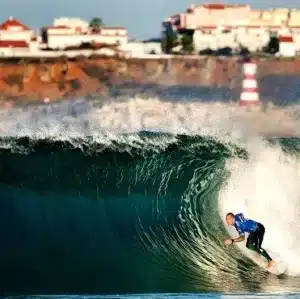
Standing on Arambol Beach watching Russian yogis share lineups with Indian tech workers, I realized Goa defies every surf destination stereotype. India’s smallest state and most unlikely surf spot offers something the established scenes cannot—warm turquoise water year-round, uncrowded beginner-friendly beach breaks, and the chance to learn surfing for less than a fancy dinner back home. For years, the global surf community dismissed Goa as a party beach without real waves. After multiple seasons here, I can confirm that reputation is changing fast. While you won’t find grinding Indonesian barrels or heavy Hawaiian water, Goa delivers consistent learning conditions, an emerging surf culture, and the opportunity to combine wave riding with one of Asia’s most unique cultural experiences.
Worth Knowing
- ✓ India’s premier beginner surf destination with warm water (26-29°C) year-round requiring no wetsuit
- ✓ October-March surf season offers mellow 2-5 ft beach breaks perfect for learning on forgiving sandy bottoms
- ✓ Affordable certified surf schools: ₹1,500-2,500 ($18-30 USD) per lesson with ISA qualified instructors
- ✓ North Goa beaches (Arambol, Ashwem, Mandrem) provide most consistent waves and developed surf infrastructure
Quick Surf Guide to Goa
- Best season: October-November (most consistent) or December-March (smaller, gentler waves)
- Best for beginners: Arambol, Mandrem, Palolem
- Best for intermediates: Arambol, Ashwem, Agonda
- Main wave type: Gentle to moderate beach breaks over sand
- Water temp: 26-29°C (79-84°F) year-round—no wetsuit needed, rashguard for sun protection
- Crowds: Moderate at Arambol December-January; low at other beaches; minimal October/March
- Budget level: ₹1,000-2,500/day ($12-30 USD) accommodation + ₹1,500-2,500 ($18-30) lessons
Why Surf in Goa?
Warm Water, Mellow Waves, Year-Round Sun
After teaching beginners at various surf destinations, I can confirm Goa’s 26-29°C water temperature makes learning dramatically easier. You’ll never need a wetsuit—no cold water shock, no restricted movement from neoprene. Wave heights typically range knee to chest high, occasionally pushing overhead during post-monsoon swells (October-November). These forgiving beach breaks roll over soft sand bottoms. When you fall, you’re landing in warm water over sand, not cold water over sharp reef.
India’s Most Developed Surf Scene
While surfing in India is still emerging, Goa leads the way. After the first surf schools opened around 2011, infrastructure has grown steadily. Multiple certified surf schools operate in North Goa with ISA qualified instructors—many are international surfers who fell in love with Goa and stayed, bringing professional standards from Australia, Europe, and the Americas. The focus is on getting you standing and riding waves within your first lesson.
Unique Cultural Blend
Goa’s surf scene blends laid-back hippie vibes with genuine surf stoke. After morning sessions, I’ve visited 16th century Portuguese churches, toured spice plantations, and enjoyed incredible seafood curry. Unlike competitive surf spots where localism can be intense, Goa welcomes newcomers. The waves are plentiful enough and crowds small enough that there’s no territorial vibe.

Best Surf Spots in Goa
North Goa (Main Surf Hub)
Arambol Beach – Best for All Levels
Wave type: Multiple peaks, A-frame sandbars
Best swell: W, 2-6 ft (0.6-2 m) typical
Best wind: E (offshore mornings)
Best tide: Mid tide optimal
Best season: October-March
Skill level: Beginners to intermediate
Hazards: Minimal; sandy bottom
Crowds: Moderate-High December-January; lighter October/March
Access: Surf Wala school on beach since 2011; vibrant bohemian town with drum circles, live music, multilingual community
Arambol serves as Goa’s surf epicenter. After countless sessions here, I appreciate how the beach stretches over a kilometer offering multiple peaks that spread crowds naturally. A diamond-shaped sandbar system creates clean A-frames when conditions align. Waves handle everything from knee-high to legitimate overhead sets. On smaller days, it’s perfect for beginners; when swell arrives, rights hold better form and can even get hollow on lower tides. The main drawback is crowds during peak season—arrive for dawn sessions for best conditions.
Ashwem Beach – Best for Intermediate
Wave type: Consistent beach breaks with long cruisy rides
Best swell: W, 2-6 ft (0.6-2 m)
Best wind: E (offshore)
Best tide: All tides work
Best season: October-March
Skill level: Beginners to intermediate
Hazards: Minimal; can form wedges when size increases
Crowds: Moderate; more relaxed than Arambol
Access: Multiple ISA qualified surf schools including Jack’s Surf School; upscale beach shacks, yoga retreats, Russian influence
Ashwem offers some of Goa’s most consistent surf thanks to excellent swell exposure. After sessions here, I’ve found the west-facing bay picks up more energy than neighboring beaches, translating to more regular surfable days. Waves break slowly across the entire beach, creating perfect conditions for beginners working on trim and balance. When size increases, neat wedges form that intermediate surfers enjoy. Maintains more relaxed atmosphere than Arambol’s party scene.
Mandrem Beach – Best for Uncrowded Learning
Wave type: Gentle rolling waves over forgiving sandbars
Best swell: W, 1-4 ft (0.3-1.2 m) typical
Best wind: E (offshore mornings)
Best tide: Mid to high tide
Best season: December-March (best for beginners)
Skill level: Beginners, first-timers
Hazards: Minimal; turtle sanctuary with protected status
Crowds: Very low; uncrowded even high season
Access: Salty Soul Surf Shack; limited development keeps it peaceful; walk from nearby villages
Mandrem represents Goa’s best-kept secret for learning in relative peace. After teaching here, I appreciate how the turtle sanctuary designation restricts commercial development, keeping crowds minimal. Waves break over forgiving sandbars creating gentle conditions ideal for first lessons. Heights rarely exceed chest-high. Water never gets too deep close to shore, helping nervous swimmers feel secure. Only one or two surf schools operate regularly—you’ll often surf with just your lesson group.
Morjim Beach – Best for Kitesurfing Crossover
Wave type: Variable beach breaks depending on sandbars
Best swell: W, 2-5 ft (0.6-1.5 m)
Best wind: E (offshore); strong winds for kitesurfing season
Best tide: Mid tide
Best season: October-March (surf); May/September (kite)
Skill level: Beginner to intermediate
Hazards: Conditions variable; local knowledge helps
Crowds: Moderate; mixed surfers and general beachgoers
Access: Protected turtle nesting site; several surf schools; becoming kitesurfing hub
Morjim sits slightly south but deserves mention for its growing surf scene. Like Mandrem, turtle protection has limited development, preserving natural beach environment. After multiple sessions, I’ve found waves can produce fun longer rides when sandbars set up correctly. Local knowledge helps significantly. Also becoming known as kitesurfing hub during wind season—if you’re interested in trying multiple water sports, Morjim’s versatility makes it worth considering.
South Goa
Agonda Beach – Best in South Goa
Wave type: Punchy peaks across crescent bay
Best swell: W, 2-5 ft (0.6-1.5 m)
Best wind: E (offshore creating clean conditions)
Best tide: Mid tide
Best season: October-November (most consistent)
Skill level: Beginner to intermediate
Hazards: Minimal; smaller waves often require high volume boards
Crowds: Low; peaceful South Goa atmosphere
Access: Aloha Surf School (Velu, ISA certified, 25+ years experience); relatively undeveloped, stunning setting
Agonda stands out as premier surfing beach in South Goa. After sessions here, I appreciate how the long crescent bay picks up swell better than other southern beaches. Punchy little peaks march across the entire bay length. Northern end tends to have stronger, more defined waves. Setting is stunning—relatively undeveloped with low-key shacks, coconut palms, Caribbean feel. Requires more patience than North Goa spots—you might wait several days between quality sessions.
Palolem Beach – Best for First-Timers
Wave type: Gentle shore breaks in perfect crescent bay
Best swell: W, 1-3 ft (0.3-1 m) typical
Best wind: Any (protected bay)
Best tide: Mid to high tide
Best season: December-March
Skill level: Absolute beginners, first lessons
Hazards: Minimal; shallow water, sandy bottom
Crowds: Moderate tourists; laid-back social scene
Access: Several surf schools offer intro lessons; picture-perfect setting with palms and headlands
Palolem’s reputation as one of Goa’s most beautiful beaches is well-deserved. After teaching first-timers here, I find the shallow water and gentle shore breaks provide safe environment for learning basic skills. Wave heights rarely exceed waist-high. Sandy bottom eliminates reef concerns. When waves are present, they’re soft and forgiving—ideal for first popup attempts. Shines brightest for travelers wanting South Goa’s relaxed vibe with beginner surf lessons. Don’t expect consistent waves or challenging conditions.

When to Surf in Goa: Best Seasons & Conditions
Peak Season (October-November)
After multiple Goa seasons, I can confirm October-November offers most consistent surf conditions. Post-monsoon ocean shows residual swell energy—waves one to three times per week, heights waist to overhead. These months strike perfect balance: swells strong enough to be fun but not overwhelming for beginners. Water clarity excellent, weather outstanding (30°C, low humidity, minimal rain). Tourist crowds haven’t peaked yet. Intermediate surfers find these months most rewarding with genuine overhead sets allowing proper turns.
Best for: Intermediate surfers | Water temp: 27-29°C | Wetsuit: Rashguard only | Crowds: Moderate
High Season (December-March)
Core dry season sees smaller, less consistent waves but other advantages. After teaching during these months, I appreciate how all surf schools operate fully, accommodation is plentiful, social scene vibrant. Wave heights mostly knee to waist-high, occasional chest-high sets. Expect surfable conditions once or twice per week. Waves are gentler and slower—ideal window for absolute beginners. Weather near perfect (32°C, virtually no rain). Beach shacks open, live music fills evenings.
Best for: Beginners and first-timers | Water temp: 26-28°C | Wetsuit: Rashguard only | Crowds: High December-January
Shoulder Season (April-May)
April-May represents overlooked window. As monsoon approaches, ocean shows more energy. Wave heights increase to chest to head-high fairly regularly. After sessions during this period, I’ve found crowds thin dramatically. Downside: less predictable conditions, fewer operating surf schools. If you’re experienced and comfortable reading forecasts, this can be rewarding. First-timers should stick to main season.
Best for: Intermediate surfers seeking value | Water temp: 28-29°C | Wetsuit: Rashguard only | Crowds: Very low
Monsoon Season (June-September) – Schools Closed
Southwest monsoon can produce biggest waves of year (10-12 ft), but conditions generally unsuitable for recreational surfing. Strong onshore winds, heavy rain, poor water clarity. Combination of size, wind, and currents creates dangerous conditions. Nearly all surf schools shut down. Unless you’re an advanced surfer seeking challenging conditions, skip monsoon for surfing.
Practical Tips for Surfing in Goa
Surf Schools & Lessons
After trying multiple schools, I recommend these standouts:
Surf Wala (Arambol): Pioneered surf education in Goa (opened 2011). ISA certified instructors, maximum 4 students per group, excellent with non-swimmers. ₹1,500 ($18) group lessons.
Salty Soul Surf Shack (Mandrem): Certified instructors, personalized teaching, guarantees you’ll stand up first lesson or free retry.
Aloha Surf School (Agonda): Velu (ISA certified, 25+ years experience) personally teaches. Uses Temple Surfboards. ₹2,500 ($30) single lesson, multi-day packages offer better rates.
Pricing: Group lessons ₹1,500-2,000 ($18-24). Private lessons ₹2,500-3,500 ($30-42). Multi-day packages save 20-30%.
Essential Surf Gear for Goa
☐ Reef-safe sunscreen SPF 30+
☐ Surf watch for tracking sessions (recommended models)
☐ Waterproof phone case
☐ Board shorts/swimsuits (multiple for rotation)
☐ Wide-brim hat for beach time
☐ Light hoodie for cooler evenings
☐ Flip-flops and athletic shoes
☐ First aid basics and personal medications
Note: No wetsuit needed! Water is 26-29°C year-round
Where to Stay
Budget (₹400-1,000/night or $5-12): Happy Panda Hostel (Arambol), Mitra Hostel, SpiritHouse Hostel. Dorm beds with social atmosphere, 10-15 min walk to beaches.
Mid-Range (₹1,000-5,000/night or $12-60): The Surf Club (literally on Arambol beach), Geranium Haven (stylish, ₹3,000-5,000), Laughing Buddha (₹450-800, excellent food).
Premium (₹6,000-12,000/night or $72-145): Vaayu Kula (Mandrem, on-site surf school, stunning design), Thalassa Beach Boutique Resort (Ashwem).
How to Choose a Surf School
☐ Verify student-to-instructor ratio (max 4:1 for groups)
☐ Inspect equipment quality (well-maintained foam boards, proper leashes)
☐ Confirm safety protocols and beach briefings included
☐ Read recent reviews (minimum 4.5+ rating)
☐ Understand pricing transparency (duration, what’s included)
☐ Ask about female instructors if preferred
☐ Book multi-day packages for better value (20-30% savings)
Safety & Conditions
After years teaching here, I confirm Goa offers some of the safest beginner surfing conditions worldwide. Sandy bottoms eliminate reef-cut risks. Wave size stays manageable. Water depth at teaching zones is waist to chest-deep—you can always touch bottom. Rip currents exist but are generally weaker than many surf destinations. Quality schools teach identification and escape techniques.
Real dangers: Sunburn poses more risk than anything in water. Tropical sun is intense. Apply reef-safe sunscreen, wear rashguard, reapply after sessions. Stay hydrated—paddling in warm water for 90 minutes is taxing.
Beyond Surfing in Goa
After morning sessions, I explore Portuguese colonial heritage in Old Goa (UNESCO World Heritage churches), practice yoga at numerous studios (₹400-800 or $5-10 per class), beach hop via scooter rental (₹250-400 or $3-5 per day), or simply watch sunset with fresh seafood and cold beer at beach shacks. Goa’s 100km coastline, spice plantations, vibrant nightlife (Curlies, Shiva Valley trance parties), and unique Catholic-Hindu cultural blend create experiences beyond just surfing.
Getting to Goa
Goa International Airport (Dabolim): Main gateway. International connections via Mumbai, Delhi, Bangalore. Airport to North Goa beaches: 60-90 minutes. Pre-paid taxis ₹1,200-1,800 ($14-22) to Arambol/Ashwem.
Train: Overnight sleepers from Mumbai (10-12 hours) offer authentic Indian travel experience. Thivim station closest to North Goa (50 min taxi to Arambol).
Getting Around: Rent scooter for maximum flexibility (₹250-400 or $3-5 per day). Check multiple surf spots in morning, explore inland, maintain independence. After years here, I always recommend scooters over taxis for daily beach hopping.
Frequently Asked Questions
Can I learn to surf in Goa if I’ve never done it before?
Absolutely. After teaching hundreds of beginners here, I can confirm Goa is one of the best places worldwide for first-timers. Warm water (26-29°C), gentle waves, sandy bottoms, and professional instruction create ideal learning conditions. Most students stand up and ride waves during their very first lesson. The combination of forgiving conditions and experienced instructors means faster progression than many other surf destinations.
Do I need to be a strong swimmer?
You don’t need competitive swimming ability, but basic water comfort helps tremendously. After working with weak swimmers, I recommend being able to float on your back, tread water for a few minutes, and feel comfortable with face underwater. Many surf schools work with non-swimmers through private lessons in very shallow water. However, developing basic swimming skills before your trip removes major anxiety source.
Are there sharks in Goa?
While sharks exist in Arabian Sea, attacks on surfers in Goa are virtually unheard of. After thousands of sessions here across multiple seasons, the coastal waters don’t support large populations of aggressive shark species. Shark anxiety is understandable but statistically unjustified. You’re far more likely to get injured from sunburn than marine life encounters.
How crowded are the surf spots?
After surfing peak and off-season, I can confirm Arambol gets genuinely crowded during December-January midmornings when multiple surf schools run lessons. However, even Arambol remains far less crowded than famous spots in Bali, California, or Hawaii. Mandrem and South Goa often have nearly empty lineups. Dawn sessions guarantee minimal crowds regardless of location.
Can kids learn to surf in Goa?
Yes, and Goa is excellent for teaching kids. After family lessons, I recommend most surf schools offer kids lessons from age 7-8. Gentle waves, warm conditions, and patient instructors create fun, safe environment. Kids often progress faster than adults because they’re less scared of falling. Many schools offer family packages where parents and kids learn together.
What’s the water temperature like?
Water ranges 26-29°C (79-84°F) throughout surf season. You will never need a wetsuit in Goa. After sessions in winter wetsuits at other destinations, the warm water is one of Goa’s major advantages—more comfortable learning, longer sessions without cold limiting practice time. Rashguard for sun protection is all you need.
Goa won’t give you Pipeline barrels or Jeffreys Bay perfection. After multiple seasons here, I can confirm what it offers instead is equally valuable—the perfect place to fall in love with surfing. Warm water lets you focus on technique rather than battling cold. Gentle waves forgive mistakes. Sandy bottoms ensure safe falls. Professional surf schools accelerate learning with proper fundamentals. Beyond waves, Goa wraps the experience in cultural richness few surf destinations match. Where else can you catch morning waves, tour 400-year-old Portuguese churches, eat incredible curry, attend sunset trance parties, all for less than a weekend at most Western beaches? Pack your board shorts, book that lesson, and discover why more surfers are adding this Indian state to their must-surf list. The waves are waiting, the water is warm, and Goa is ready to welcome you. Learn surf culture and terminology while exploring one of Asia’s most unique destinations. Check out famous surfers who’ve discovered India’s emerging surf scene.