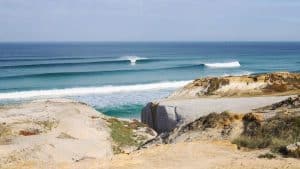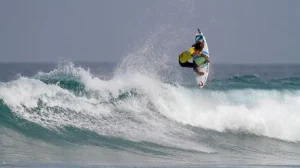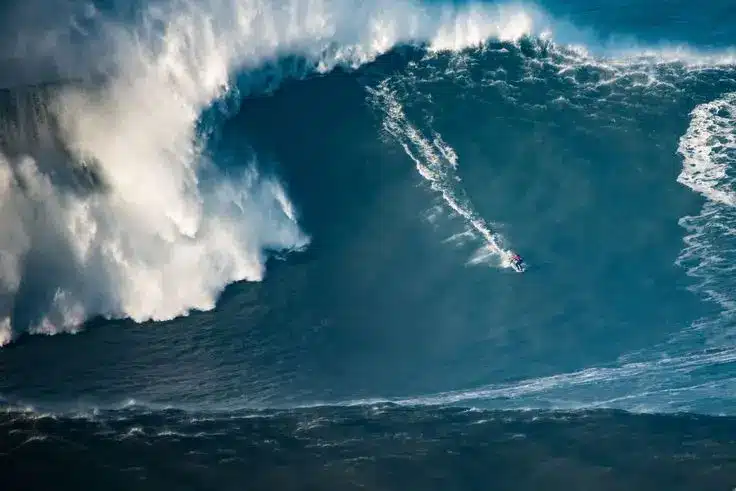

Standing on the cliffs above Praia do Norte watching a 70-foot wall of water detonate onto the beach, I understood why Nazaré isn’t a “normal” surf destination—it’s a raw, powerful big-wave arena shaped by one of Earth’s deepest underwater canyons. When winter storms roll across the North Atlantic, something unique happens off this small Portuguese town’s coast. Swell energy that would normally dissipate is instead focused, amplified, and thrown directly onto shallow beach by the Nazaré Canyon—a massive underwater trench plunging nearly 5,000 meters deep, running almost to shore. The result? Walls of water exceeding 20, 25, even 30 meters. This isn’t a place of playful peaks or forgiving takeoffs. Nazaré is chaotic, fast, violent when firing—reserved for elite big-wave surfers with full safety teams, tow-in equipment, and years of experience. For most surfers, Nazaré is a place to observe, respect, and learn from the cliffs, not paddle out. Understanding this distinction is essential before even thinking about surfing here.
Worth Knowing
- ✓ Nazaré Canyon (5,000m deep, 220km long) channels Atlantic swells creating 60-100 ft waves—world’s biggest rideable surf
- ✓ NOT for normal surfing: Reserved for elite big-wave surfers with tow-in teams, rescue protocols, breath-hold training
- ✓ Best viewed from Forte de São Miguel Arcanjo lighthouse cliffs—spectacular but dangerous (rogue spray, surges)
- ✓ Big-wave season October-March (peak Nov-Feb); requires NW swell 15+ second period + offshore winds to fire
Quick Surf Guide to Nazaré
- Best season: October-March (big waves); November-February peak; May-September calm
- Best for beginners: DO NOT SURF big-wave Nazaré; nearby breaks only on small days with local guidance
- Best for intermediates: Off-season smaller days only (consult locals first)
- Best for advanced: Elite big-wave professionals ONLY with full tow-in teams
- Main wave type: Extreme beach break amplified by underwater canyon (60-100 ft faces)
- Water temp: 14-18°C (57-64°F) winter; requires 4/3mm or 5/4mm wetsuit
- Crowds: Elite surfers only on big days; spectators hundreds on cliffs
- Primary activity: WATCHING from cliffs (Forte de São Miguel Arcanjo lighthouse)
Why Nazaré Is Unlike Any Other Surf Spot
The Nazaré Canyon: Natural Wave Amplifier
After studying the canyon effect from multiple viewpoints, I can confirm Nazaré isn’t famous because it’s beautiful or beginner-friendly—it produces waves challenging the very limits of what humans can surf. The Nazaré Canyon is one of Europe’s largest underwater canyons: over 220 km long, plunging nearly 5,000 meters deep, running almost directly to Praia do Norte shoreline. Instead of dispersing energy like most continental shelves, this canyon channels and focuses incoming Atlantic swells.
When large North Atlantic swell approaches, part travels over normal continental shelf (slowing down), while another part travels through deep canyon (maintaining speed and energy). The two wave systems collide near shore creating stacking effect—energy compresses, wave faces grow steeper, swell jacks up dramatically just before breaking. A 30-foot swell offshore can suddenly stand up into 60-100 foot wall within seconds.
Why It’s Different From Other Big-Wave Spots
After observing Jaws, Mavericks, and Nazaré, I’ve found critical differences. Jaws (Hawaii) and Mavericks (California) rely on reef structures creating clean, repeatable lines—surfers know where to sit, when to go, how wave will break. Nazaré doesn’t offer that luxury. Canyon amplifies swell unevenly creating waves that double up, fold, or break out of nowhere. Two waves in same set can look completely different. Proximity to shore means waves break closer, rebound off cliffs, collide with incoming sets—rescue windows shorter, chaos multiplies fast.

Nazaré Big-Wave Surfing: Reality Check
Who Actually Surfs Nazaré?
After years observing from cliffs, when Nazaré fires at full scale, lineup limited to small group of professional big-wave surfers. These athletes trained in breath-hold and wipeout survival, tow-in surfing behind jet skis, high-speed wave entry/exit, team-based rescue protocols. Surfers don’t paddle into 60-100 ft waves—they’re towed into position by jet skis, released at right moment, picked up immediately after ride. Without this setup, survival chances drop dramatically.
Elite surfers who regularly surf Nazaré include Garrett McNamara (rode 23+ meter wave in 2011 putting town on map), Maya Gabeira (holds women’s big-wave record), Lucas “Chumbo” Chianca, Kai Lenny, Andrew Cotton, and handful of others. These aren’t casual surf trips—they’re expeditions requiring rescue teams, medical staff, chase boats, safety divers.

What Happens If You Try to Paddle Out?
On massive days, paddling out isn’t just unrealistic—it’s reckless. After watching attempts, waves move too fast, break too violently, whitewater alone can push surfers deep underwater for extended hold-downs. This is why Nazaré earned reputation. It’s not about style points or Instagram—it’s about managing fear, physics, risk.
The Part People Miss: Nazaré Isn’t Always Gigantic
On smaller winter days or during off-season, beach can offer manageable surf, especially away from Praia do Norte’s main impact zone. After off-season sessions, these conditions still powerful but far more approachable for strong intermediate and advanced surfers. That said, even on “small” days, Nazaré demands respect—currents strong, wave behavior unpredictable, ocean doesn’t forgive mistakes easily.
When to Surf (or Watch) Nazaré
Big-Wave Season (October-March)
After multiple winter seasons observing, prime window runs October-March when powerful low-pressure systems roll across North Atlantic generating long-period swells. Biggest days usually happen November-February when storm tracks align perfectly with canyon. November and January typically most consistent months for extreme conditions, wave faces regularly exceeding 50 feet.
What Creates True Nazaré Swell: After tracking forecasts, Nazaré needs very specific setup: Large NW swell generated far offshore, long swell period (16-20+ seconds), minimal wind or light offshore flow, low to mid tide to allow maximum face growth. When these elements align, canyon does the rest.
Off-Season (May-September)
After summer visits, May-September Nazaré calm by comparison. Canyon still there but energy isn’t. Waves smaller, more manageable, far less dramatic. This is when strong intermediates might surf nearby breaks with local guidance—still powerful but approachable.
Watching Nazaré Waves: The True Experience
After countless hours on cliffs, I confirm you don’t need to surf Nazaré to feel it in your bones. Watching waves from land is often most powerful experience. When winter swells hit, ocean transforms into moving wall of water, cliffs become front-row seats to nature’s most intimidating performance.
Forte de São Miguel Arcanjo: The Iconic Viewpoint
Perched on cliff at northern edge of Praia do Norte, Forte de São Miguel Arcanjo (the lighthouse) is most famous place to watch Nazaré fire. This is where photographers, filmmakers, wave chasers gather when conditions line up. From here, you see full wave face from takeoff to impact, jet skis towing surfers into position, raw power of canyon-driven swell. When waves massive, you’ll feel wind shift, ground vibrate, crowd go silent just before set unloads.

Safety From the Cliffs: Not a Theme Park
After witnessing rogue surges, Nazaré is spectacular but dangerous. Waves can send spray hundreds of meters inland, rogue water surges can reach areas people assume safe. Keep distance from cliff edges especially during storms or extreme swells. Local authorities sometimes close access points during dangerous conditions—respect closures. Ocean here doesn’t negotiate.
Safety Guidelines for Watching Nazaré
☐ Never turn your back to ocean (rogue sets arrive unexpectedly)
☐ Respect safety barriers and closures (authorities know conditions)
☐ Avoid entering water near Praia do Norte (strong currents even small days)
☐ Wear appropriate clothing (wind, cold, spray common winter)
☐ Best viewing: November-February (highest chance massive swells)
☐ Check forecasts before traveling (big days rare, unpredictable)
Understanding Nazaré: Key Comparisons
Nazaré vs Jaws (Peʻahi, Hawaii)
After studying both, Jaws delivers raw power with rhythm—waves massive but relatively predictable. Reef creates clean, repeatable lines. Surfers know where to sit, when to go, how wave will break. Nazaré is chaos with consequences—canyon amplifies swell unevenly creating waves that double up, fold, break out of nowhere. Two waves in same set can look completely different.
Nazaré vs Mavericks (California)
Mavericks cold, serious, disciplined. Breaks far from shore, demands long paddles or precise towing, punishes mistakes with brutal hold-downs. But like Jaws, follows pattern once understood. Nazaré adds different danger layer—proximity to shore means waves break closer, rebound off cliffs, collide with incoming sets. Rescue windows shorter, chaos multiplies fast.
Nazaré vs Teahupo’o (Tahiti)
Teahupo’o isn’t about size—it’s about consequence. While Nazaré’s waves taller, Teahupo’o’s slab thicker, faster, breaks directly onto razor-sharp reef. Nazaré’s danger comes from scale and turbulence. Teahupo’o’s danger comes from precision and impact. Different tests: Nazaré tests respect and awareness; Teahupo’o tests precision and commitment.
Visiting Nazaré: Practical Information
Getting There
From Lisbon: 120 km north, approximately 1.5 hours drive via A8 motorway. Bus services available (Rede Expressos) taking ~2 hours. Car rental recommended for flexibility exploring coastline.
Nearest Airport: Lisbon Portela Airport (LIS). International connections from major European cities, some North American routes.
Where to Stay
After multiple visits, Nazaré offers range of accommodation from budget hostels (€15-30/night dorms) to mid-range hotels (€50-100/night) to luxury options (€100-200+/night). Book well ahead for November-February big-wave season. Town compact, walkable—most accommodations within easy reach of both beaches and cliffs.
Beyond the Waves
Nazaré is working fishing town with deep traditions, colorful streets, slower rhythm when ocean rests. After exploring, watching fishermen mend nets, locals gather at seaside cafés gives balance to intensity offshore. Traditional Portuguese cuisine, fresh seafood, historic sites (Sitio neighborhood, Nossa Senhora da Nazaré sanctuary), and cultural festivals throughout year. This contrast makes Nazaré special—absolute chaos on water, everyday life on land.
What to Bring to Nazaré
☐ Warm waterproof jacket (wind/spray on cliffs)
☐ Sturdy shoes with grip (slippery cliffs/rocks)
☐ Patience (big-wave days unpredictable, rare)
☐ If surfing off-season: 4/3mm or 5/4mm wetsuit, boots
☐ Respect and humility (ocean always decides)
☐ Surf watch for tracking conditions (recommended models)
Frequently Asked Questions
No. After years observing, big-wave Nazaré is strictly for elite professionals with tow-in teams and rescue protocols. Even on smaller off-season days, Nazaré demands strong intermediate to advanced skills minimum. Currents strong, wave behavior unpredictable even when “small.” If you’re beginner or intermediate surfer visiting Portugal, surf nearby breaks (Peniche, Ericeira) instead. Nazaré is for watching, learning, respecting—not casual surfing.
After multiple winter seasons, November through February offers highest chance massive swells. These months when powerful North Atlantic storms align perfectly with canyon. That said, big-wave days rare—you might spend week seeing nothing special or arrive exact day everything detonates. Check surf forecasts (Surfline, Magicseaweed) before traveling. Look for: Large NW swell, 16-20+ second period, light offshore winds.
The Nazaré Canyon—massive underwater trench plunging nearly 5,000 meters deep, running 220+ km almost to shoreline. Instead of dispersing energy like normal continental shelves, canyon channels and focuses incoming Atlantic swells. When swell approaches, deep-water waves maintain speed/energy while shallow-water waves slow down. Two wave systems collide near shore creating stacking effect—energy compresses, faces grow steeper, swell jacks up dramatically. 30-foot swell offshore can become 60-100 foot face within seconds.
Generally yes, but requires caution. After witnessing rogue surges, waves can send spray hundreds of meters inland, surges can reach areas people assume safe. Keep distance from cliff edges, never turn your back to ocean, respect safety barriers and authority closures, avoid slippery rocks. Forte de São Miguel Arcanjo lighthouse offers best viewpoint with relatively safe vantage (if respecting distances). Not theme park—ocean here doesn’t negotiate.
Approximately 120 km north, 1.5 hours drive via A8 motorway. Car rental recommended (€30-60/day) for flexibility. Bus option: Rede Expressos runs services from Lisbon taking ~2 hours (€10-15). Town compact and walkable once arrived. Forte de São Miguel Arcanjo lighthouse accessible by car (parking available) or steep walk from town center.