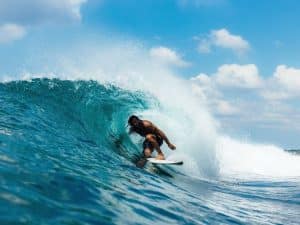
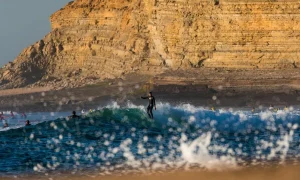
After years exploring Portugal’s coast, I’ve learned that Aljezur sits on Europe’s most consistent surf coastline with waves breaking 350+ days per year. This whitewashed Algarve town delivers what mass-tourism Algarve forgot: authentic Portuguese fishing villages, a 10th-century Moorish castle, and Arrifana Beach—widely regarded as Portugal’s premier beginner surf spot. While crowds flock to Peniche and Ericeira farther north, I’ve found Aljezur maintains its laid-back charm with consistent swells that work for everyone from first-timers to barrel-hungry experts when winter groundswells light up the reefs.
Worth Knowing
- ✓ Aljezur offers year-round surf consistency unmatched in southern Portugal—waves 350+ days annually
- ✓ Arrifana Beach is the Algarve’s premier beginner venue with horseshoe bay protection and sandy bottom
- ✓ Eight diverse breaks within 20 minutes mean you’ll always find rideable waves regardless of swell or wind
- ✓ September-November delivers the sweet spot: powerful swells (5-10 ft), warm water (17-19°C), and offshore winds
Quick Surf Guide to Aljezur
- Best season: September-November for powerful groundswells and warm water
- Best for beginners: Arrifana Beach, Monte Clérigo (southern peak), Praia do Amado
- Best for intermediates: Amoreira, Bordeira Beach, Monte Clérigo (northern peak)
- Best for advanced: Arrifana reef point, Carrapateira Point, Vale Figueiras
- Main wave types: Beach breaks, reef breaks, point breaks, rivermouth setups
- Water temp range: 14-19°C (57-66°F)
- Wetsuit needed: 3/2mm summer, 4/3mm autumn/spring, 5/4mm winter
- Budget level: €35-120/day (excellent value for Western Europe)
Why Surf in Aljezur?
Consistent Year-Round Surf
The Aljezur coastline faces directly into Atlantic swells tracking across thousands of miles of open ocean. This west-northwest exposure means swell consistency rivals anywhere in Portugal, with rideable waves available more than 350 days annually. After surfing here across all seasons, I’ve found that even summer’s smaller swells produce clean 2-4 ft (0.6-1.2 m) waves perfect for progression, while autumn through spring delivers powerful 5-12 ft (1.5-3.7 m) groundswells that transform points and reefs into world-class setups.
Best Beginner Beach in the Algarve
Arrifana Beach holds legendary status among Portuguese surf instructors as the country’s premier teaching venue south of Lisbon. After teaching friends here, I can confirm the horseshoe bay configuration creates natural protection from northerly winds while the sand bottom removes reef-fear for learners. Gradual depth increase allows controlled progression from whitewash to shoulder-high unbroken waves, with professional surf schools operating daily instruction throughout the year.
Authentic Portuguese Culture
Unlike resort-dominated southern Algarve, Aljezur town maintains working fishing-village authenticity. I’ve loved exploring cobbled streets winding past family-run tascas serving grilled sardines and local wine, elderly residents chatting from doorways in the old Moorish quarter, and the 10th-century castle overlooking terraced valleys where agriculture still defines daily rhythms. This cultural preservation means your surf trip includes genuine Portuguese immersion rather than tourist-zone artificiality.
Variety of Surf Spots Within 20 Minutes
Eight distinct breaks cluster within a 20-kilometer stretch, each responding differently to swell direction, size, wind, and tide. After years checking these spots, I’ve learned that this density means finding something working regardless of conditions—sheltered bays produce waves when exposed beaches close out, southern spots work during northerly winds, and tide-sensitive rivermouths complement all-tide beach breaks.

Best Surf Spots in Aljezur by Area
Central Aljezur: The Main Surf Hub
The central coast from Arrifana to Monte Clérigo offers the most famous breaks and best infrastructure for beginners and intermediates.
Praia da Arrifana – Best for Beginners to Advanced
Wave type: Beach break with reef point at north end
Best swell: West to northwest, 2-8 ft (0.6-2.4 m)
Best season: Year-round (summer for beginners, autumn-winter for reef)
Skill level: Beginner (beach break) to expert (reef point)
Hazards: Northern reef point has shallow rocks and urchins, crowds during summer
Access: Restaurant, parking, showers at beach entrance
Crowds: Very heavy summer (40-60+ surfers), moderate autumn-winter
Arrifana’s horseshoe bay forms the Algarve’s most beloved beginner venue and Aljezur’s signature break. After years surfing here, I’ve learned the configuration creates natural wind protection while the sandy bottom removes reef-related fear for learners. The sheltered bay works on all tides with consistent waves, while multiple surf schools operate daily lessons from May through October. The advanced reef break at the north end produces hollow rights 6-12 ft (2-3 m) for experts when winter groundswells arrive.
Monte Clérigo – Best for Intermediate
Wave type: Exposed beach break with two distinct sections
Best swell: West to northwest, typically 20-30% bigger than Arrifana
Best season: Year-round
Skill level: Confident intermediate
Hazards: Strong rip currents when swell exceeds 6 ft, scattered rock patches at low tide
Access: Parking at beach, restaurants in adjacent village
Crowds: Moderate—fewer than Arrifana due to more challenging conditions
Monte Clérigo sits closest to Aljezur town at just 10 minutes’ drive, delivering more exposed conditions than sheltered Arrifana. I’ve found this openness brings bigger, punchier waves but also stronger rips and rocks requiring enhanced ocean awareness. Two distinct sections offer options: northern peak under cliffs and southern peak near the fishing village, with the southern setup providing slightly mellower waves.
Northern Coast: Variety & Beauty
Amoreira – Best for Intermediate to Advanced
Wave type: Rivermouth beach break with shifting sandbars
Best swell: West to northwest, 3-10 ft (1-3 m)
Best tide: Low tide in northern bay (protected), high tide near rivermouth (quality lefts)
Skill level: Intermediate on smaller swells, advanced when overhead
Hazards: Strong rivermouth current requiring strategic positioning
Access: Parking area, scenic hiking along river valley
Amoreira Beach spreads where the Aljezur river meets the Atlantic, creating stunning landscapes of sand dunes, rivermouth, and consistent peaks. I’ve learned the spot works differently at low versus high tide—low tide brings protected conditions in the northern bay, while high tide creates quality lefts near the rivermouth with more power and critical sections.
Vale Figueiras – Best for Advanced
Wave type: Exposed beach break with powerful peaks
Best swell: West to northwest, 4-10 ft (1.2-3 m)
Best season: Year-round (swell magnet catches energy when other spots are flat)
Skill level: Confident intermediate to advanced
Hazards: Scattered rocks and reef patches, rough dirt track access, limited facilities
Crowds: Light—difficult access filters crowds
Vale Figueiras requires navigating a rough dirt track to reach this exposed beach break. After making the journey multiple times, I can confirm the commitment filters crowds even during peak summer, preserving uncrowded lineups despite excellent wave quality. Multiple sandbar formations create A-frame peaks, with hollow waves producing barrels on bigger swells 6-10 ft (2-3 m).
Bordeira Beach – Best for All Levels
Wave type: Multiple kilometer beach with countless peaks
Best swell: West to northwest, 3-8 ft (1-2.4 m)
Best season: Year-round
Skill level: All levels (different sections)
Hazards: Rips intensify near southern rivermouth
Access: Southern end near Carrapateira village offers easier access and amenities
Bordeira stretches for kilometers as one of Portugal’s most expansive beaches. I’ve found that shifting sandbars create fun A-frame peaks across vast space, with the southern end near Carrapateira village offering surf school access for beginners while northern sections remain virtually empty even mid-summer. The beach connects north to Vale Figueiras at low tide, forming an unbroken sand expanse.
Southern Breaks: Championship Quality
Praia do Amado – Best for All Levels
Wave type: Consistent beach break with multiple peaks
Best swell: West to northwest, 4-10 ft (1.2-3 m)
Best season: Year-round
Skill level: Beginner (summer 2-4 ft) to advanced (autumn-winter 6-10 ft)
Hazards: Powerful closeouts when swells exceed 10 ft
Access: Restaurant, parking, facilities at beach entrance
Crowds: Heavy surf school presence during summer mornings
Amado hosts professional surf competitions including Portuguese Championship events, showcasing the beach’s capacity for world-class waves when conditions align. After surfing here during various seasons, I recommend avoiding summer mornings when surf schools dominate, but scoring afternoon sessions after they depart when autumn-winter groundswells create long walls and barrel sections.
Carrapateira Point – Best for Advanced
Wave type: Left-hand point break
Best swell: Minimum 6 ft (1.8 m) to activate
Best wind: East-northeast offshore
Best season: Autumn-winter groundswells
Skill level: Advanced only
Hazards: Rock bottom with scattered boulders, fast hollow walls
Crowds: Limited capacity—10-15 surfers max
The rocky point at Bordeira’s southern end transforms into a quality left-hand point break when bigger swells wrap into the bay. I’ve learned this setup only activates when conditions align, but delivers memorable sessions when working—fast, sometimes hollow walls peeling along the cliff base over rock bottom requiring careful navigation.
Praia de Odeceixe – Best for Intermediate
Wave type: Rivermouth beach break
Best swell: Northwest, 3-8 ft (1-2.4 m)
Best wind: Easterly offshore
Skill level: Intermediate
Hazards: Strong rips when rivermouth current combines with incoming swell
Access: Charming village adjacent to beach with accommodation options
Technically falling just north of Aljezur municipality, Odeceixe sits 25 minutes’ drive north but integrates into the local surf circuit. After checking this spot regularly, I’ve found the picturesque rivermouth setting produces peaky waves 3-8 ft with heavy closeouts on bigger swells—works best as a secondary option when primary breaks are crowded or unfavorable.
When to Surf in Aljezur: Best Seasons & Conditions
Summer (June-August) – Perfect for Beginners
Summer transforms Aljezur into beginner paradise with mellow 2-5 ft (0.6-1.5 m) waves and warm conditions. Water temperatures climb to 17-19°C (63-66°F), making sessions comfortable with a 3/2mm wetsuit or spring suit.
The tradeoff is peak crowds, especially at Arrifana where I’ve counted 40-60+ surfers during mid-morning hours (10 AM-12 PM) when surf schools dominate. I recommend dawn patrol (7-9 AM) and sunset sessions (5-7 PM) for fewer people and often better conditions.
Best for: Beginners, surf lessons | Water temp: 17-19°C | Wetsuit: 3/2mm or spring suit | Crowds: Very heavy
Autumn (September-November) – Prime Season
Autumn represents Aljezur surf at its absolute finest. Powerful groundswells average 5-10 ft (1.5-3 m), activating reef breaks and point breaks that remain dormant during summer. Water temperature stays comfortable at 17-19°C (63-66°F) through October, and dominant east-northeast offshore winds groom Atlantic swells into clean, organized lines.
After timing multiple trips, I consider September through November the sweet spot—solid swells, warm water, decreasing crowds as European summer holidays end, and conditions suitable for progression from intermediates to advanced surfers finding barrels when reefs wake up.
Best for: All levels | Water temp: 17-19°C | Wetsuit: 4/3mm | Crowds: Moderate, decreasing by November
Winter (December-February) – Big Wave Season
Winter unleashes powerful Atlantic systems generating swells 6-15 ft (2-4.6 m), occasionally exceeding 20 ft (6 m) during major North Atlantic storms. Water temperature drops to 14-16°C (57-61°F), requiring 4/3mm or 5/4mm wetsuits plus boots and gloves.
I recommend winter strictly for advanced surfers comfortable in serious surf—the powerful swells create consequence-laden conditions at reef breaks. However, empty lineups and raw power attract committed surfers chasing Aljezur’s most intense sessions.
Best for: Advanced surfers, powerful swells | Water temp: 14-16°C | Wetsuit: 4/3mm or 5/4mm + boots/gloves | Crowds: Minimal
Spring (March-May) – Shoulder Season Value
Spring offers excellent shoulder season balance with manageable 4-8 ft (1.2-2.4 m) swells suitable for intermediates. Water temperature slowly climbs to 15-17°C (59-63°F) by May.
I’ve found crowds remain low to moderate, and spring delivers excellent value with quality waves and shoulder season prices—often Aljezur’s best overall value for budget-conscious surfers.
Best for: Intermediates, manageable swells | Water temp: 15-17°C | Wetsuit: 4/3mm transitioning to 3/2mm | Crowds: Low to moderate
Practical Tips for Surfing in Aljezur
What to Pack (Wetsuit Guide & Gear)
Aljezur requires wetsuits year-round. After years surfing here, I recommend:
- Summer (Jun-Aug): 3/2mm fullsuit or spring suit for 17-19°C water
- Autumn (Sep-Nov): 4/3mm fullsuit for 17-19°C water and longer sessions
- Winter (Dec-Feb): 4/3mm or 5/4mm fullsuit + boots and gloves for 14-16°C water
- Spring (Mar-May): 4/3mm through April, transitioning to 3/2mm by late May
Quality matters significantly—cheap wetsuits lose warmth quickly in Aljezur’s extended surf sessions, while premium brands maintain warmth and flexibility through multi-hour sessions.
Essential Surf Gear Checklist
☐ Boots and gloves (if visiting October-April)
☐ Rash guard (sun protection, prevents wetsuit chafing)
☐ Reef-safe sunscreen (SPF 30-50)
☐ Surf wax (water temperature appropriate)
☐ Leash and backup leash
☐ Surf watch / tide tracker (recommended models)
☐ Ding repair kit (Solarez UV-cure for quick fixes)
☐ Board bag (if bringing own board)
☐ Portable surf shower (beaches lack showers)
☐ Changing towel/poncho
Getting to & Around Aljezur
Faro Airport (FAO) lies 100 km southeast with 75-minute driving time. Lisbon Airport (LIS) sits 200 km north, taking 2.5-3 hours via toll motorways. Car rental runs approximately €25-45 per day depending on season.
Do you need a car? Yes, absolutely. After exploring Aljezur extensively, I can confirm that personal transport is essential—Aljezur town sits 10 km from the nearest beach, and the eight main surf spots spread across 20 km of coastline with zero public transport connecting them. Spot-checking conditions, timing tide windows, and accessing scattered breaks based on daily conditions requires a car.
Surf Safety in Aljezur
After years navigating these breaks, I’ve learned essential safety practices:
Rip Currents: Rip currents represent Aljezur’s most significant hazard, particularly at Monte Clérigo, Amoreira rivermouth, and Vale Figueiras. These powerful currents intensify when swells exceed 6 ft and during tide changes. Don’t panic or swim directly toward shore—instead, swim parallel to shore until escaping the rip’s channel, then angle back toward beach.
Reef Safety: Arrifana’s northern reef point has shallow rocks, Carrapateira Point features rocky bottom throughout, and Vale Figueiras includes scattered reef. Wear booties when surfing reef breaks, check tide charts, and protect your head with arms if caught inside.
Lineup Etiquette: Surfer closest to peak has right of way. Don’t drop in, paddle wide around lineup, show respect to locals, and avoid mid-morning crowds (10 AM-12 PM) when surf schools dominate.
Where to Stay: Surf Camps, Hostels & Hotels
Accommodation strategy splits between staying in Aljezur town (authentic atmosphere, lower prices, 10-20 minute drive to beaches) versus beachfront properties (ocean proximity, surf access, higher prices, isolated from town).

Best Surf Camps & Lodges
Endless Summer Surf House (Arrifana): Located on clifftops overlooking Arrifana Beach with pool and garden, 5-minute walk to beach. Pricing: €35-60/night per person.
Mayla Surf House (Vale da Telha): Central location 4 km from Arrifana, Monte Clérigo, Amoreira. Cozy rooms with private terraces, pool, surf lessons included in packages. Pricing: €45-75/night per person.
Russo Surfcamp: Boutique surf camp with pool and halfpipe, excellent food, social atmosphere with BBQ nights. 8-day packages from €550 including accommodation, meals, daily surfing.
Budget Options
- Hostel dorms in Aljezur town: €15-25/night
- Private rooms: €40-60/night
- Camping: €8-15/night at Parque de Campismo do Serrão and Costa Vicentina campsites
- Airbnb studios: €30-50/night in town, €40-70 near beaches
How to Choose Surf Accommodation
☐ Verify surf school certifications (Portuguese Surfing Federation certified)
☐ Confirm what’s included (boards, wetsuits, meals, transport)
☐ Book for the right season (autumn for best waves, summer for learning)
☐ Read cancellation policies carefully
☐ Look for board storage and wetsuit drying facilities
☐ Consider car rental needs (beachfront reduces driving)
Surf Schools & Lessons in Aljezur
Aljezur’s surf instruction maintains high standards with Portuguese Surfing Federation certification. After observing numerous schools, I can share what works best:
Top Surf Schools
Aljezur Surf School: Operates at Arrifana and Monte Clérigo year-round. Maximum 8 students per instructor, equipment included. Pricing: Single lesson €45, 5-lesson package €210.
Aljezur Experiences: Small group specialists (maximum 6 students) at Arrifana Beach. Video analysis available. Pricing: Single lesson €45, private sessions €75.
Boa Onda Surf School: Long-established school specializing in small coaching groups. Beginner-friendly with patient teaching style. Pricing: Single lesson €40, 5-lesson package €180.
Week-long surf camps: €400-600 including accommodation, meals, daily lessons, and equipment—often better value than booking components separately.
Beyond Surfing in Aljezur
Explore the Moorish Castle
The 10th-century Moorish castle ruins crown Aljezur’s highest hill. After climbing here at sunset multiple times, I can confirm the 360-degree views across the valley, town, and distant Atlantic are spectacular. Free entry, steep 10-15 minute climb from old town.
Hike the Costa Vicentina Trail
The Rota Vicentina long-distance trail traverses Costa Vicentina Natural Park. I recommend: Aljezur to Arrifana (12 km, 3-4 hours), Arrifana to Monte Clérigo (8 km, 2-3 hours), or Odeceixe to Aljezur (15 km, 4-5 hours).
Visit Nearby Towns
Sagres (40 minutes south): Dramatic cape region with fortress ruins and powerful cliffs—the southwesternmost point of continental Europe.
Lagos (40 minutes southeast): Larger town with historic old town, marina, restaurants, nightlife, and famous Ponta da Piedade rock formations.
Frequently Asked Questions
Is Aljezur good for beginner surfers?
Yes, Aljezur ranks among Portugal’s best beginner destinations thanks to Arrifana Beach’s sheltered horseshoe bay, sandy bottom, gradual depth increase, and consistent 2-4 ft summer waves. After teaching friends here, I can confirm multiple Portuguese Surfing Federation certified schools operate daily lessons with professional instruction and safety equipment.
What is the best time of year to surf in Aljezur?
September through November delivers optimal conditions combining powerful groundswells 5-10 ft, warm water 17-19°C, offshore winds, and decreasing crowds. I consider this the sweet spot. However, Aljezur works year-round: summer suits beginners, winter delivers powerful swells for advanced surfers, and spring offers manageable conditions for intermediates.
Do you need a car to surf in Aljezur?
Yes, a car proves essential for independent surf trips. After exploring Aljezur extensively, I’ve learned that personal transport is necessary—Aljezur town sits 10 km from the nearest beach, and eight main surf spots spread across 20 km with zero public transport connecting them. Some surf camps include shuttle service, making car rental optional only if you stay at these properties.
How crowded are the surf spots in Aljezur?
Arrifana Beach experiences significant summer crowds with 40-60+ surfers during peak mid-morning hours when surf schools dominate. However, I’ve found dawn patrol (7-9 AM) and sunset sessions (5-7 PM) thin crowds dramatically. Alternative breaks like Monte Clérigo, Amoreira, and Vale Figueiras maintain much lower crowds even during peak season.
What wetsuit thickness do I need in Aljezur?
Summer requires 3/2mm for 17-19°C water, autumn needs 4/3mm for 17-19°C, winter demands 4/3mm or 5/4mm plus boots/gloves for 14-16°C, and spring starts with 4/3mm transitioning to 3/2mm by late May. After years here, I recommend quality brands that maintain warmth through multi-hour sessions.
Is Aljezur better than Sagres for surfing?
Each town suits different priorities. After surfing both extensively, I choose Aljezur for better beginner conditions (Arrifana exceeds any Sagres beginner beach), authentic Portuguese culture, less wind exposure, and quieter atmosphere. Choose Sagres for more surf spot variety (15+ breaks), both west and south-facing beaches, better winter surf, and more developed town amenities.
Can you surf in Aljezur year-round?
Yes, Aljezur delivers consistent surf 350+ days annually thanks to direct Atlantic exposure. Summer provides 2-5 ft waves for beginners, autumn and spring generate 4-10 ft groundswells for all levels, and winter produces 6-15 ft conditions for advanced surfers. Even rare flat spells typically last only 1-2 days before new swells arrive.
How much does a surf trip to Aljezur cost?
Budget trips work for €35-50/day (hostel dorms, self-catering, equipment rental). Mid-range trips run €80-120/day (guesthouse, mixed meals, lessons). Comfortable trips cost €140-200+/day (boutique hotel, restaurants, private lessons). Week-long surf camps including accommodation, meals, and daily lessons range from €400-750.
After years exploring Aljezur’s waves, I hope this guide helps you score consistent surf in the Algarve’s best-kept secret—from the beginner-friendly sanctuary of Arrifana to the advanced reef breaks that fire during winter swells. Pack your wetsuit, rent a car, and get ready to discover Portugal’s most consistent southern surf destination. See you in the lineup!
For more Portuguese surf destinations, explore our guides to surfing in Peniche, surfing in Ericeira, and the complete surfing in Portugal overview.