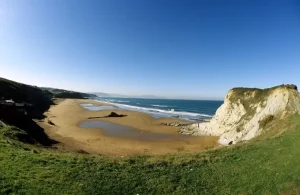
Driving into Zarautz on a September morning, watching perfect shoulder-high lines march down the entire 2.5-kilometer beach with only a handful of surfers spread across multiple peaks, I understood why this Basque coastal town remains one of Spain’s best-kept surf secrets. While tourists flock to San Sebastian’s La Zurriola just 20 kilometers away, Zarautz quietly delivers Spain’s longest beach break, consistent year-round waves, and deep surf culture dating back to the 1960s. The beach hosted Europe’s first professional surf competition in 1966 and continues welcoming World Surf League events today. What sets Zarautz apart: 2.5 kilometers of sandy beach creating multiple peaks that spread crowds, powerful Atlantic swells arriving year-round (particularly October-March), established surf infrastructure with quality schools and shapers, yet none of the overcrowding plaguing France’s more famous spots. Add authentic Basque culture, spectacular cuisine, and you have a complete surf trip without compromise.
Worth Knowing
- ✓ Spain’s longest beach break: 2.5km creates multiple peaks spreading crowds—always find uncrowded section even high season
- ✓ Year-round surf: Atlantic swells arrive consistently; best Oct-Mar (overhead+), summer smaller but perfect progression (waist-chest high)
- ✓ Deep surf heritage: Europe’s first pro surf competition (1966); current WSL Qualifying Series stop; local shapers Pukas founded here 1975
- ✓ Complete package: Quality waves + Basque culture (pintxos, cider, cuisine) + less crowds than France—all 20km from San Sebastian airport
Quick Surf Guide to Zarautz
- Best season: October-March (consistent overhead Atlantic swells) or June-September (smaller, beginner-friendly)
- Best for beginners: Zarautz Beach Center, West End (summer months)
- Best for intermediates: Beach Center, East End (all year)
- Best for advanced: East End (big swells), nearby Orrua, Roca Puta
- Main wave type: Beach break over sand (multiple peaks along 2.5km)
- Water temp: 12-14°C winter (54-57°F), 18-21°C summer (64-70°F)
- Wetsuit: 5/4mm + boots winter; 3/2mm spring/fall; 3/2mm or springsuit summer
- Crowds: Low to moderate (spread across long beach); far less than France
- Access: Direct beach access entire length; parking along promenade; 20km San Sebastian (EAS airport)
Why Surf in Zarautz?
Spain’s Longest Beach Break
After surfing the entire Basque coast multiple times, I can confirm Zarautz’s 2.5-kilometer beach is Spain’s longest continuous beach break. This isn’t just trivia—it’s a practical advantage creating fundamental difference in surf experience. Multiple peaks form simultaneously along the beach’s length, particularly during consistent Atlantic swells. When one section gets crowded (rare), simply walk 200 meters and find your own peak. The sandy bottom reforms after each storm creating fresh sandbars, and the beach’s gentle arc means different sections work best at different tide stages and swell directions.
Unlike point breaks where everyone competes for same takeoff zone, or short beach breaks where 30 surfers squeeze into 300 meters, Zarautz spreads the crowd. Even during summer weekends or WSL competition periods, you’ll find uncrowded peaks. This space transforms the experience—more waves caught per session, less stress, better progression.
Year-Round Atlantic Swells
After tracking forecasts across multiple years, Zarautz’s northwest-facing coastline catches virtually every Atlantic swell system. Winter storms (October-March) generate powerful overhead waves, often double overhead at East End on big days. Summer (June-September) brings smaller, cleaner groundswells perfect for learning and progression. Spring and autumn deliver the sweet spot—consistent waist to head-high waves with fewer crowds than peak summer. This consistency makes Zarautz one of the world’s best surf destinations year-round.
The Bay of Biscay’s fetch creates year-round swell potential. Unlike Mediterranean surf spots that go flat for weeks, or Atlantic destinations requiring specific swell windows, Zarautz maintains surfable conditions most days. This reliability makes trip planning easier and reduces gamble of arriving to flat spells.
Authentic Basque Surf Culture
After experiencing both commercialized French surf towns and authentic Basque culture, Zarautz stands apart. This isn’t a town that discovered surfing in the 2000s—it’s been integral to local identity since the 1960s. Europe’s first professional surf competition happened here in 1966. Pukas, one of Europe’s most respected surfboard brands, was founded here in 1975 and still shapes boards locally. The annual Zarautz Surf Pro (WSL Qualifying Series) attracts international talent while maintaining local flavor.
Walk through town and you’ll see surf shops run by families who’ve shaped boards for generations, locals speaking Basque in lineups, and a working-class authenticity that contrasts sharply with trendy French beach towns. The surf culture integrates with broader Basque identity—pintxo bars fill with wetsuited surfers post-session, cider houses serve traditional meals to local crews, and surf talk mixes naturally with pelota (Basque handball) and football discussions.
Best Surf Spots in Zarautz
Zarautz Beach Center – Best for All Levels
Wave type: Beach break, multiple peaks over sandy bottom
Best swell: NW-W, 2-8 ft (0.6-2.5 m)
Best wind: S-SE (offshore)
Best tide: All tides work; mid tide often most consistent
Best season: Year-round; summer smaller/gentler, winter powerful
Skill level: All levels depending on conditions
Hazards: Minimal; sandy bottom, occasional strong currents on big swells
Crowds: Moderate summer weekends; low-moderate other times
Access: Direct from promenade; parking along beachfront; multiple access points; surf schools concentrate here; changing facilities and showers available
The central section of Zarautz Beach, roughly from the main promenade to Camping Zarautz, delivers the most consistent and user-friendly waves. After countless sessions here, I appreciate how sandbars reform creating A-frame peaks with both lefts and rights. Summer months (June-September) see waist to chest-high waves perfect for beginners and longboarders. Winter swells (October-March) push overhead with powerful sets—intermediates find perfect progression waves while advanced surfers get proper workout.
Most surf schools operate in this section due to gentle gradient, lifeguard presence in summer, easy access, and reliable beginner conditions. The sandy bottom forgives mistakes, and multiple peaks mean you’re rarely fighting for waves. Early morning sessions (before 9am) offer best conditions before afternoon sea breezes pick up.
Zarautz West End – Best for Beginners
Wave type: Mellow beach break, sandy bottom
Best swell: NW-W, 2-5 ft (0.6-1.5 m)
Best wind: S-SE (offshore)
Best tide: Mid to high tide (low tide can close out)
Best season: Summer (June-September) ideal beginners; spring/fall intermediate
Skill level: Beginners to intermediates
Hazards: Minimal; protected location, gentle waves
Crowds: Lower than center section; families and learners
Access: Western promenade; parking near Hotel Zarautz; mellower paddle out than center
After teaching beginners across Spain’s northern coast, Zarautz’s west end remains one of best learning environments. The beach curves slightly here creating more protection from swells, resulting in smaller, slower waves. Summer conditions deliver perfect 2-4 ft rollers with long rides giving novices time to practice pop-ups and balance. The crowd skews toward families and learners, creating supportive atmosphere rather than competitive vibe.
Zarautz East End – Best for Advanced (Big Days)
Wave type: Powerful beach break, occasional river mouth influence
Best swell: NW-W, 4-12 ft (1.2-3.6 m)
Best wind: S-SE (offshore)
Best tide: Low to mid tide often best; high tide can fat out
Best season: October-March (big winter swells)
Skill level: Intermediate to advanced; experts on biggest days
Hazards: Powerful waves on big swells; strong currents; rocks near river mouth
Crowds: Low except when firing; local advanced surfers know this section
Access: Eastern promenade near Camping Zarautz; longer walk from parking but worth it for quality
After years observing, the east end of Zarautz transforms during solid northwest swells. The Urola River mouth influences sandbar formation here, occasionally creating more defined peaks and hollower sections than the beach center. When winter storms send 6-10 ft swells, the east end delivers Spain’s best beach break barrels—fast, hollow sections requiring committed drops and solid rail work.
Orrua – Best Left Point Near Zarautz
Wave type: Left point break over rock and sand
Best swell: Big NW, 6-12 ft+ (1.8-3.6 m+)
Best wind: S-SE (offshore)
Best tide: Mid to high tide
Best season: October-March (requires big swell)
Skill level: Advanced to expert
Hazards: Rocky bottom, powerful waves, localism can be heavy
Crowds: Heavy when working; respected local crew
Access: 3km east of Zarautz center; parking limited; requires solid swell to break; one of Basque Country’s best lefts when firing
After observing Orrua on firing days, this left point breaks only during significant northwest swells (typically 6 ft+ at Zarautz Beach). When conditions align—big swell, offshore winds, proper tide—Orrua delivers some of Spain’s finest left point waves. Long walls, multiple sections, barrel opportunities, and rides extending 100+ meters. Respect is essential here—show respect, observe lineup dynamics, don’t paddle around people.
Roca Puta – Best Reef Break Challenge
Wave type: Right reef break
Best swell: NW-W, 4-10 ft (1.2-3 m)
Best wind: S (offshore)
Best tide: Low to mid tide
Best season: October-April
Skill level: Advanced to expert
Hazards: Shallow reef, sea urchins, powerful waves, difficult access
Crowds: Moderate when working; experienced surfers only
Access: Between Zarautz and Getaria; tricky entry over rocks; not recommended for visitors unfamiliar with reef breaks
After sessions here, Roca Puta stands as the Basque Coast’s gnarlier option near Zarautz. This right reef break delivers hollow, fast waves over shallow rock bottom. Only consider if you’re genuinely advanced, comfortable with reef breaks, and willing to accept consequences.
When to Surf in Zarautz: Best Seasons & Conditions
Peak Winter Season (October-March)
After multiple winter seasons, October through March delivers Zarautz’s most powerful and consistent surf. Atlantic low-pressure systems march across the Bay of Biscay generating swells that light up the entire coast. Expect overhead to double overhead waves regularly, with the east end occasionally seeing triple overhead sets on biggest swells. Water temperatures drop to 12-14°C (54-57°F) requiring proper 5/4mm wetsuits, boots, gloves, and often hoods.
Winter brings rain—lots of it. The Basque Country is green for a reason. But after sessions in driving rain, post-surf pintxos and cider taste better earned in harsh conditions. Crowds drop significantly as casual surfers avoid cold water and stormy weather. November and December often deliver best combination of consistent swell and manageable crowds before holiday periods.
Summer Season (June-September)
After summer sessions, June through September transforms Zarautz into family-friendly surf destination. Waves decrease to waist to chest-high most days, perfect for beginners and longboarders. Water warms to 18-21°C (64-70°F), allowing comfortable sessions in 3/2mm wetsuits or even springsuits on warmest days. This makes Zarautz one of Spain’s most reliable surf destinations year-round.
Summer brings crowds—families, surf schools, vacationers—but the 2.5-kilometer beach absorbs them remarkably well. Early morning sessions (before 9am) or evening surfs (after 7pm) offer near-empty lineups even in August. July and August see highest tourist numbers but also best weather. June and September provide sweet spot: decent swell, good weather, fewer crowds.
Practical Tips for Surfing Zarautz
Wetsuit Guide by Season
After years surfing Zarautz’s seasonal variations, proper wetsuit makes difference between enjoyable session and miserable endurance test:
Winter (Dec-Feb): 12-13°C (54-55°F) – 5/4mm or 6/5mm wetsuit (sealed seams essential), 5mm boots, 5mm gloves, 3mm hood. Quality matters—cheap wetsuits fail quickly in cold Atlantic water.
Spring/Fall (Mar-May, Oct-Nov): 14-17°C (57-63°F) – 4/3mm wetsuit, 3mm boots optional but recommended. Gloves and hood optional depending on personal cold tolerance.
Summer (Jun-Sep): 18-21°C (64-70°F) – 3/2mm wetsuit standard. Some use springsuits on warmest days. Water comfortable for long sessions.
Essential Surf Gear for Zarautz
☐ Boots (5mm winter essential, 3mm spring/fall recommended)
☐ Gloves + hood (winter only, huge comfort difference)
☐ Surf wax (cold water formula winter, warm water summer)
☐ Changing robe/poncho (windy beach, public changing common)
☐ Reef-safe sunscreen SPF 50+
☐ Surf hat for post-session sun protection
☐ Surf watch for tracking sessions
☐ Leash (proper length for board size)
☐ Surf clothing brands for après-surf outfit
☐ Warm layers for après-surf
Surf Schools & Rentals
Pukas Surf Eskola: Legendary local brand founded 1975. ISA-certified instructors. Group lessons €40-50, private €60-80. Board rentals €15-25/day. Week packages available.
Zarautz Surf School: Small group sizes (max 6 students per instructor). Lessons €35-45 group, €55-70 private. Equipment included.
Board Rentals: Multiple shops along promenade. €15-25/day softboards, €20-30/day performance boards. Weekly rates 30% discount. Wetsuit + board packages €30-40/day.
Where to Stay
Budget (€40-70/night): Hotel Txiki Polit (beachfront), Pensión Txiki (walking distance), Camping Zarautz (€10-25/night, right on beach).
Mid-range (€80-150/night): Hotel Zarautz (central, sea views), Talaimendi Hotel (hillside, coastal views €100-140), Airbnb apartments along promenade.
Upscale (€150-300+/night): Hotel Villa Akaregi (boutique luxury, panoramic ocean views, spa).
Book 2-3 months ahead July-August. Spring/fall and winter offer 30-40% lower rates.
Getting to Zarautz & Practical Info
☐ Bilbao Airport (BIO): 80km west, 1-hour drive; larger international connections
☐ From San Sebastian: Bus (Lurraldebus) frequent, 30 min; car rental €30-60/day
☐ Parking: Free street parking promenade (limited); paid lots €12-15/day
☐ Town walkable: Beach to restaurants 5-10 min walk
☐ Bike rental: €10-15/day, coastal path to San Sebastian
☐ Currency: Euro (€); ATMs throughout; cards widely accepted
☐ Language: Spanish and Basque; English in tourist areas/surf shops
Beyond Surfing in Zarautz
After flat days or rest days, Zarautz and surrounding Basque Country offer world-class experiences:
Basque Cuisine: Authentic pintxos (Basque tapas) at Bar Narru, Txiki Polit, Kulixka €2-4 each. Traditional restaurants offer chuletón beef, grilled fish, idiazabal cheese €30-50 per person. Michelin-starred Karlos Arguiñano restaurant located in Zarautz.
Cider Houses (Sagardotegiak): Traditional set menus (cod omelet, cod, txuleta beef, cheese, walnuts) with unlimited cider €35-45 per person. Incredible cultural experience. January-April traditional season.
San Sebastian (20km): World-renowned culinary capital. La Concha beach, Old Town pintxos crawl, Michelin-starred restaurants (Arzak, Mugaritz). Easy day trip.
Getaria (5km): Historic fishing village, grilled fish restaurants, txakoli vineyards, Balenciaga Museum.
Coastal Hikes: Camino del Norte pilgrimage route passes through Zarautz. Spectacular sections Zarautz-Getaria-Zumaia. Flysch geological formations in Zumaia (dramatic layered cliffs). For more coastal exploration, nearby Cantabria offers additional surf and hiking opportunities.
Mundaka (80km): World-famous left point break. Watching from cliffs spectacular even if not surfing. Charming fishing village.
Frequently Asked Questions
Is Zarautz good for beginner surfers?
Yes, particularly summer months (June-September). After teaching beginners here, Zarautz Beach offers ideal learning environment: long sandy beach with gentle waves waist to chest-high, forgiving sandy bottom (no rocks/reef), multiple surf schools with qualified instructors, and 2.5km length spreads crowds. West end and center sections work best for beginners. Winter generally too challenging (overhead waves, cold water, powerful conditions).
What’s the best time of year to surf Zarautz?
Depends on skill level. After year-round experience: Beginners/intermediates seeking progression: June-September (smaller cleaner waves, warm water, pleasant weather). Intermediate/advanced seeking power: October-March (consistent overhead Atlantic swells, less crowds). Best overall balance: May or September (decent swell, good weather, low crowds, good value).
How crowded is Zarautz compared to France?
After surfing both extensively, significantly less crowded than comparable French spots. Where Hossegor might have 40-60 surfers on a peak, Zarautz spreads 20-30 across entire 2.5km beach. Even summer weekends, you find uncrowded sections by walking 200-300 meters from center. French surf towns suffer severe overcrowding July-August. Zarautz’s length prevents this—physically impossible to crowd entire beach.
Do I need to speak Spanish or Basque?
Helpful but not essential. Surf shops, schools, tourist-oriented businesses speak English. Locals appreciate any Spanish attempt—basic phrases go long way. Basque (Euskara) co-official but most locals speak Spanish. Surf culture international—lineup communication works through gestures, smiles, universal etiquette. Making effort with “gracias,” “por favor,” “buenos días” earns respect.
Can I surf Zarautz year-round?
Yes. Atlantic exposure ensures year-round swell potential. After tracking forecasts, genuine flat spells (multiple consecutive days) rare. Winter (Oct-Mar) most consistent for swell, summer (Jun-Sep) smallest but still regular waves for longboards/learning. Spring/fall transitional with good variety. Zarautz’s consistency rivals any European Atlantic destination.
How does Zarautz compare to Mundaka?
Completely different experiences. Mundaka: World-famous left point, works only big swells (6 ft+ typically), advanced/expert only, heavy localism, crowded when firing, inconsistent. Zarautz: Consistent beach break, works small to large swells, all skill levels, friendly atmosphere, surfable most days. Travel specifically for Mundaka and might score epic lefts or watch flat ocean for week. Travel to Zarautz and you’ll definitely surf—might not be world-class but will be fun, uncrowded, consistent.