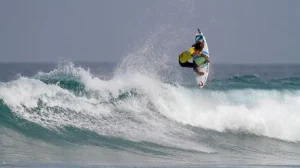
Parking above Sopelana’s twin beaches on a crisp October morning, watching consistent left-handers peel across La Salvaje while Arrietara’s multiple peaks spread a light crowd of locals, I realized why Bilbao’s surf scene centers here. Just 30 minutes from Spain’s Basque industrial capital, Sopelana delivers two distinct beaches—Arrietara Beach and Atxabiribil (Barinatxe)—creating four quality breaks that work across different swells, tides, and skill levels. What surprised me most: despite being metropolitan Bilbao’s closest quality surf, lineups rarely exceed 20-30 surfers even summer weekends, thanks to the beaches’ combined length and multiple peaks. The town lacks the tourist infrastructure of San Sebastian or the international reputation of Mundaka, keeping it refreshingly local—Basque-speaking surfers dominate lineups, traditional pintxo bars outnumber surf cafés, and authenticity trumps Instagram aesthetics. Sopelana has hosted European and Spanish national championships since the 1980s, producing generations of Basque surf talent while maintaining working-class character. Add dramatic cliff scenery, consistent year-round Atlantic swells, and direct metro access from Bilbao, and Sopelana offers urban-accessible surf without urban crowds.
Worth Knowing
- ✓ Two beaches, four breaks: Arrietara Beach (beginner-friendly) + Atxabiribil/Barinatxe (La Salvaje left point, Peña peak)—variety for all levels
- ✓ Metro-accessible from Bilbao: L1 line direct to Larrabasterra station (30 min, €1.50)—rare urban surf access in Europe
- ✓ Consistent year-round: NW-facing coast catches every Atlantic swell; Oct-Mar overhead+, Jun-Sep waist-chest high for progression
- ✓ Local vibe maintained: 20-30 surfers max even summer weekends; Basque-speaking crews, authentic culture, no tourist saturation
Quick Surf Guide to Sopelana
- Best season: October-March (consistent overhead swells) or June-September (smaller, beginner-friendly)
- Best for beginners: Arrietara Beach (summer months, protected eastern section)
- Best for intermediates: Arrietara Beach (center peaks), Atxabiribil Peak
- Best for advanced: La Salvaje (left point), Peña (reef break)
- Main wave types: Beach breaks (Arrietara) + left point (La Salvaje) + reef peak (Peña)
- Water temp: 12-14°C winter (54-57°F), 18-20°C summer (64-68°F)
- Wetsuit: 5/4mm + boots winter; 4/3mm spring/fall; 3/2mm summer
- Crowds: Low to moderate; local Basque crews, respectful atmosphere
- Access: Metro L1 from Bilbao (30 min, €1.50); parking above beaches; cliff stairways to sand
Why Surf in Sopelana?
Metro-Accessible Quality Surf
After surfing urban-accessible breaks across Europe, Sopelana stands as rare example where public transport actually works for surfers. Metro Line 1 from central Bilbao reaches Larrabasterra station in 30 minutes for €1.50—then a 10-minute walk down the cliff path deposits you on Arrietara Beach. This accessibility without car dependency is virtually unique among quality European surf spots. You can stay in Bilbao’s affordable city-center accommodation (€30-50/night hostels vs €60-100+ beach towns), explore world-class Guggenheim Museum and pintxo culture, then surf quality Atlantic waves same day.
The metro access also creates interesting crowd dynamics. While car-dependent spots concentrate surfers at peak times, Sopelana spreads sessions across the day as metro riders arrive on different schedules. Early morning sees hardcore locals, mid-morning brings intermediate surfers, afternoon welcomes beginners from Bilbao. This natural crowd distribution across the beaches’ combined 800+ meters means you rarely fight for waves.
Two Beaches, Four Quality Breaks
After exploring both beaches across multiple seasons, I appreciate how Sopelana’s geography creates variety. Arrietara Beach (eastern side) delivers gentle, beginner-friendly beach break with sandy bottom and forgiving waves. Walk west across the rocks and you reach Atxabiribil (also called Barinatxe), home to La Salvaje’s powerful left point and Peña’s challenging reef peak. This means beginners and experts can surf simultaneously in same location—families learn on Arrietara while advanced surfers chase barrels at La Salvaje, making Sopelana one of the world’s best surf destinations for urban accessibility.
Different breaks work best at different tides and swell sizes, ensuring surfable conditions most days. When Arrietara goes flat on small swells, La Salvaje still picks up waves. When La Salvaje gets too big and heavy, Arrietara offers mellower alternative. This variety within 15-minute walk eliminates need to drive searching for waves—just check conditions and walk to the break that’s working.
Authentic Basque Surf Culture
After experiencing both touristy French surf towns and authentic Basque spots, Sopelana maintains refreshing local character. The town developed around local surfers, not international tourists. Basque language dominates lineups, traditional bars outnumber trendy cafés, and surf culture integrates naturally with broader Basque identity rather than defining the town. You’ll see fishermen mending nets, locals playing pelota, and families speaking Euskara—surf happens here because locals love it, not because tourists demand it, reflecting the authenticity of the Basque Country.
This authenticity extends to the surf itself. Competitions have run here since the 1980s (European and Spanish nationals), producing generations of talented Basque surfers who still surf their home breaks. The local crew knows every rock, every sandbar shift, every tide nuance—and generally welcomes respectful visitors who show proper lineup etiquette.
Best Surf Spots in Sopelana
Arrietara Beach – Best for Beginners to Intermediates
Wave type: Beach break, multiple peaks over sandy bottom
Best swell: NW-W, 2-6 ft (0.6-1.8 m)
Best wind: S-SE (offshore)
Best tide: All tides work; mid tide most consistent
Best season: Year-round; summer smaller/gentler, winter more powerful
Skill level: Beginners to intermediates
Hazards: Minimal; sandy bottom, occasional rocks at low tide edges
Crowds: Low to moderate; spreads along beach length
Access: Cliff stairway from parking area; eastern section most protected; surf schools operate here; lifeguards summer months
After teaching beginners across Basque coast, Arrietara Beach offers ideal learning environment. The sandy bottom extends across the entire beach, creating forgiving wipeout zone without reef or rock hazards. Multiple peaks form along the beach’s 400+ meter length, spreading crowds and ensuring you find uncrowded section even busy days. Summer conditions (June-September) deliver gentle waist to chest-high waves perfect for mastering pop-ups and balance.
The eastern section, closest to the cliff stairway, offers most protection from swell and wind, making it ideal beginner zone. As skills progress, paddle toward center beach where peaks get slightly steeper and faster. Winter swells transform Arrietara into intermediate playground—overhead waves with workable faces, enough power for practicing turns and generating speed, but still forgiving sandy landings.
La Salvaje – Best Left Point for Advanced
Wave type: Left point break over rock and sand
Best swell: NW, 4-10 ft (1.2-3 m)
Best wind: S-SE (offshore)
Best tide: Low to mid tide; high tide too fat
Best season: October-March (consistent powerful swells)
Skill level: Intermediate to advanced
Hazards: Rocky bottom, powerful waves, strong currents, local crew has priority
Crowds: Moderate when firing; respected locals dominate lineup
Access: Western end of Atxabiribil Beach; paddle from beach or walk rocks at low tide; best Sopelana wave when conditions align
After years observing La Salvaje, this left point delivers Sopelana’s best wave when northwest swells combine with southeast winds and proper tide. The wave breaks off rocky point creating long, walling lefts with multiple workable sections. On best days, rides extend 100+ meters with barrel opportunities on hollow inside section. The wave’s quality has created dedicated local crew who’ve surfed it for decades—respect is essential.
La Salvaje works best at low to mid tide when rock bottom creates defined takeoff zone and wave shape. High tide softens the wave, making it fat and mushy. The current can be strong, particularly on bigger swells, requiring solid paddle fitness. If you’re visiting and La Salvaje is firing, observe lineup dynamics before paddling out—locals have earned their priority through years of commitment.
Atxabiribil Beach Peak – Best for Intermediates
Wave type: Beach break peak, lefts and rights
Best swell: NW-W, 3-7 ft (0.9-2.1 m)
Best wind: S-SE (offshore)
Best tide: Mid tide ideal; low tide exposed rocks
Best season: Year-round; powerful in winter
Skill level: Intermediates
Hazards: Rocks at low tide; more powerful than Arrietara
Crowds: Low to moderate; less crowded than La Salvaje
Access: Center of Atxabiribil Beach; sandy channel at mid-high tide; watch for rocks at low tide
After sessions across both beaches, the main peak at Atxabiribil (Barinatxe Beach center) offers step up from Arrietara’s mellow waves without La Salvaje’s intensity. The peak produces both lefts and rights with more power and steeper faces than Arrietara. Winter swells create proper overhead waves here, perfect for intermediates working on critical takeoffs and powerful turns.
Mid tide works best, creating defined peak with workable shoulders. Low tide exposes rocks making entry/exit tricky and wipeouts potentially painful. The peak attracts intermediate and advanced surfers who want quality waves without competing for La Salvaje’s point break.
Peña – Best Reef Challenge for Experts
Wave type: Reef break peak over shallow rock
Best swell: Big NW, 6-12 ft+ (1.8-3.6 m+)
Best wind: S (offshore)
Best tide: Mid to high tide (low tide dangerously shallow)
Best season: October-March (requires solid swell)
Skill level: Advanced to expert only
Hazards: Very shallow reef, sharp rocks, powerful waves, heavy consequences
Crowds: Low (only experts attempt); local chargers dominate
Access: Far western end Atxabiribil; requires big swell to break; not for intermediates or visitors unfamiliar with heavy reef breaks
After observing Peña on firing days, this reef break stands as Sopelana’s gnarliest option. The wave breaks over very shallow rock reef, creating fast, hollow peaks that demand committed drops and precise positioning. Only consider Peña if you’re genuinely advanced, comfortable with heavy reef breaks, and willing to accept consequences. Most visitors stick with the beach breaks’ consistency and safety.
When to Surf in Sopelana: Best Seasons & Conditions
Peak Winter Season (October-March)
After multiple winter seasons, October through March delivers Sopelana’s most powerful and consistent surf. Atlantic low-pressure systems generate swells that light up the entire Basque coast. Expect overhead to double overhead waves regularly at La Salvaje and Atxabiribil Peak, while Arrietara handles smaller but still solid waves. Water temperatures drop to 12-14°C (54-57°F) requiring proper 5/4mm wetsuits with boots, gloves, and hoods.
Winter brings characteristic Basque rain—the region is famous for its greenery for a reason. But after sessions in stormy conditions, post-surf pintxos in Sopelana’s traditional bars taste better earned in harsh Atlantic weather. Crowds drop as casual surfers avoid cold water. November through February deliver most consistent swell with La Salvaje firing regularly on proper northwest swells.
Summer Season (June-September)
After summer sessions, June through September transforms Sopelana into beginner-friendly destination. Waves decrease to waist to chest-high most days, perfect for learning and longboarding. Water warms to 18-20°C (64-68°F), allowing comfortable sessions in 3/2mm wetsuits. Weather offers more sun though the Basque coast never guarantees Mediterranean-style summer—rain still visits occasionally, as throughout northern Spain.
Summer brings more surfers from Bilbao taking advantage of metro access, but the beaches’ combined length and multiple peaks prevent real crowding. Early morning sessions (before 10am) offer near-empty lineups even in August. Arrietara Beach becomes family destination with lifeguards, surf schools, and gentle learning conditions.
Practical Tips for Surfing Sopelana
Wetsuit Guide by Season
After years surfing Sopelana’s cold Atlantic water, proper wetsuit is non-negotiable:
Winter (Nov-Mar): 12-14°C (54-57°F) – 5/4mm or 6/5mm wetsuit (sealed seams essential), 5mm boots, 5mm gloves, 3mm hood. Quality brands (Xcel, Patagonia, O’Neill) perform better than budget options in sustained cold.
Spring/Fall (Apr-May, Oct): 14-17°C (57-63°F) – 4/3mm wetsuit, 3mm boots recommended. Gloves and hood optional depending on personal tolerance.
Summer (Jun-Sep): 18-20°C (64-68°F) – 3/2mm wetsuit standard. Water comfortable enough for long sessions without shivering.
Essential Surf Gear for Sopelana
☐ Boots (5mm winter essential, 3mm spring/fall recommended)
☐ Gloves + hood (winter essential for comfort)
☐ Surf wax (cold water formula winter)
☐ Changing robe/poncho (cliff-top changes common)
☐ Reef-safe sunscreen SPF 50+
☐ Surf hat for post-session
☐ Surf watch for session tracking
☐ Leash (proper length)
☐ Surf clothing brands for après-surf comfort
☐ Waterproof bag (metro rides with wet gear)
Surf Schools & Board Rentals
Sopela Surf School: Local school operating since 1990s. ISA-certified instructors, Arrietara Beach focus. Group lessons €35-45, private €55-70. Equipment included. Week packages available.
Surf & Rock: Established surf shop and school. Board rentals €15-25/day, wetsuits €15/day. Combined packages €30-35/day. Knowledgeable staff provides local conditions advice.
Board Rentals: Multiple shops in Sopelana and nearby Getxo. Daily rates €15-25 depending on board type. Weekly rates offer 25-30% discount. Some shops offer delivery to beaches.
Where to Stay
Sopelana Town: Limited accommodation options. Few small hotels and guesthouses €50-80/night. Quiet residential town, not tourist infrastructure.
Bilbao (Recommended): Stay city center, metro to surf. Hostels €20-35/night, mid-range hotels €60-100/night, Airbnb apartments €50-120/night. Access to Guggenheim Museum, pintxo culture, nightlife, restaurants. Metro L1 to Larrabasterra 30 minutes, €1.50.
Getxo: Upscale beach town between Bilbao and Sopelana. Hotels €80-150/night. Good restaurants and beachfront promenade. Metro L1 connects both Bilbao and Sopelana.
Getting to Sopelana & Practical Info
☐ Metro L1: Bilbao center to Larrabasterra station 30 min, €1.50; trains every 5-10 min
☐ From Larrabasterra: 10-min walk down cliff path to beaches
☐ Parking: Free cliff-top parking above beaches; arrive early summer weekends
☐ Two beaches: Arrietara (east, beginner) + Atxabiribil/Barinatxe (west, advanced)
☐ Currency: Euro (€); ATMs in Sopelana and Bilbao
☐ Language: Spanish and Basque; English in Bilbao tourist areas
☐ Bilbao advantages: Guggenheim, pintxos, nightlife, affordable accommodation
Beyond Surfing in Sopelana
After flat days or rest days, Sopelana’s proximity to Bilbao and the Basque Country offers exceptional experiences:
Guggenheim Museum Bilbao: Frank Gehry’s titanium masterpiece housing world-class contemporary art. €16 entry, iconic architecture worth visiting regardless of art interest. 30 minutes metro from Sopelana.
Bilbao Pintxo Bars: Casco Viejo (Old Town) delivers authentic Basque pintxos. Plaza Nueva, Calle Jardines, Calle Somera concentrate best bars. €2-4 per pintxo. Txakoli (Basque white wine) pairing. Evening pintxo crawl essential Basque experience.
Coastal Walks: Dramatic cliffs between Sopelana and Getxo offer spectacular hiking. Well-maintained coastal paths, stunning Atlantic views, historic architecture. Easy 1-2 hour walks.
Getxo & Portugalete: Historic towns connected by Vizcaya Bridge (UNESCO World Heritage transporter bridge from 1893). Getxo marina, beachfront promenade, upscale restaurants. Portugalete working-class character and excellent pintxos.
San Juan de Gaztelugatxe: Iconic island hermitage connected to mainland by stone bridge (Game of Thrones filming location). 1-hour drive, spectacular coastal scenery. Popular tourist destination—arrive early to avoid crowds.
Mundaka: World-famous left point break 45 minutes northeast. Even if not surfing (requires big swell, heavy localism), watching from cliffs spectacular. Charming fishing village worth visit. Part of broader Basque Country surf exploration.
Frequently Asked Questions
Is Sopelana good for beginner surfers?
Yes, particularly Arrietara Beach during summer months (June-September). After teaching beginners here, sandy bottom, gentle waist to chest-high waves, and forgiving conditions make it ideal for learning. Surf schools operate from Arrietara providing instruction and equipment. The eastern section of Arrietara most protected. Avoid Atxabiribil/La Salvaje/Peña until you develop solid intermediate skills.
Can I surf Sopelana without a car?
Yes—this is Sopelana’s unique advantage. Metro Line 1 from Bilbao reaches Larrabasterra station in 30 minutes for €1.50. From station, 10-minute walk down cliff path reaches beaches. Stay in Bilbao (cheaper accommodation, museums, nightlife), metro to surf daily. Rare quality European surf with full public transport access.
What’s the best time of year to surf Sopelana?
Depends on skill level. After year-round experience: Beginners: June-September (smaller waves, warmer water, lifeguards). Intermediate/advanced: October-March (consistent overhead swells, La Salvaje firing). Best overall balance: May or September-October (decent swell, improving/good weather, low crowds).
How crowded is Sopelana?
After years surfing here, low to moderate crowds even summer weekends. Two beaches with multiple breaks spread surfers across 800+ meters. Maximum 20-30 surfers total even busy days—compare to 40-60 on single peak at crowded French spots. Metro access distributes arrivals across day rather than concentrating everyone at dawn. Early mornings nearly empty. Local Basque crews dominate La Salvaje but generally welcoming with respect shown.
Do I need to speak Spanish or Basque?
Helpful but not essential. Basque (Euskara) dominates local lineups and town, but most locals speak Spanish. Bilbao has English in tourist areas. Surf culture international—lineup communication works through gestures and etiquette. Making effort with basic Spanish (« gracias, » « por favor, » « buenos días ») earns respect. Basque locals appreciate any attempt at their language.
Should I stay in Sopelana or Bilbao?
After experiencing both, I recommend Bilbao for most visitors. Sopelana is small residential town with limited accommodation, restaurants, nightlife. Bilbao offers affordable hostels (€20-35/night vs €50-80+ Sopelana), world-class Guggenheim Museum, exceptional pintxo culture, vibrant nightlife, and metro reaches Sopelana in 30 minutes for €1.50. Surf morning sessions, explore Bilbao afternoons/evenings. Best of both worlds—quality surf with cultural urban experience.