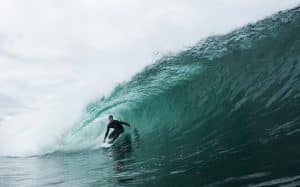
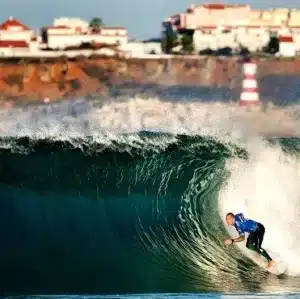
The first time I paddled out in Sri Lanka without a wetsuit, I couldn’t believe it—27-29°C water, year-round. No neoprene, no boots, just boardshorts and the warm Indian Ocean. But what really sets this island apart isn’t just the temperature. Sri Lanka runs on a dual-season system that guarantees waves every single month: the southwest coast fires November through April with beginner-friendly bays around Weligama and intermediate reefs near Midigama, while the east coast’s May-October window brings Arugam Bay’s legendary 500-meter right-hand point to life. Add budget surf camps from €400/week and you’ve got one of the world’s most accessible tropical surf destinations.
Worth Knowing
- ✓ Two-coast surf season system guarantees waves year-round—southwest (Nov-Apr) or east (May-Oct)
- ✓ Warm 27-29°C water means no wetsuit needed, ever—just boardshorts and rash guards
- ✓ Weligama Bay is one of Asia’s best beginner beaches with 7km of gentle, forgiving waves
- ✓ Arugam Bay’s Main Point delivers world-class 300-500 meter rides rivaling any point break globally
Quick Surf Guide to Sri Lanka
- Best season: November-April (southwest coast) or May-October (east coast)
- Best for beginners: Weligama Bay, Dewata Beach, Baby Point, Hiriketiya
- Best for intermediates: Ahangama, Pottuvil Point, Peanut Farm, Mirissa
- Best for advanced: Arugam Bay Main Point, Rams Right, Whiskey Point, Hikkaduwa Main Reef
- Main wave types: Beach breaks, reef breaks, point breaks
- Water temp: 27-29°C (80-84°F) year-round
- Wetsuit needed: None! Just boardshorts/bikini + rash guard for sun protection
- Budget level: €25-100/day (extremely affordable)
Why Surf in Sri Lanka?
Year-Round Surf on Two Coasts
The island’s positioning in the Indian Ocean creates opposing surf seasons on east and west-facing coastlines. When I first learned about this system, it changed how I plan tropical surf trips. When the southwest monsoon brings onshore winds and rain to the west coast (May-October), the east coast receives offshore winds and consistent swells. The pattern reverses during northeast monsoon months (November-April), activating the southwest while the east goes flat. This natural alternation means you can visit any month and find quality waves—simply choose the appropriate coast based on your dates.
Warm Water Paradise (No Wetsuit Needed)
Water temperatures remain 27-29°C (80-84°F) year-round throughout Sri Lanka. After years surfing in cold European waters, stepping into Sri Lankan waves without a wetsuit felt liberating. Boardshorts and bikinis suffice, with rash guards recommended solely for sun protection rather than thermal insulation. This warm-water advantage eliminates packing bulk, reduces rental costs, and allows multi-hour sessions that would prove exhausting in colder climates.
Beginner-Friendly Waves
Sri Lanka gained reputation as a premier learn-to-surf destination through an abundance of mellow beach breaks and protected bays. I’ve watched countless first-timers catch their first waves at Weligama’s 7-kilometer horseshoe bay, which delivers gentle rollers perfect for learning. Sandy bottoms dominate beginner areas, removing reef-fear that intimidates learners elsewhere. The combination of warm water, soft waves, and affordable instruction creates optimal learning conditions.
Affordable Surf Destination
Compared to established surf destinations like Indonesia, Hawaii, or even Portugal, Sri Lanka maintains significantly lower costs. Week-long all-inclusive surf camps start around €400-500, daily guesthouse rates run $15-40, and local meals cost $2-5. This affordability extends surf trip duration for budget-conscious travelers while allowing luxury seekers to access premium experiences at prices unavailable in pricier markets.

Best Surf Spots in Sri Lanka by Region
South/Southwest Coast (November-April Season)
The southwest coastline from Galle to Matara concentrates Sri Lanka’s highest density of surf breaks within a 50-kilometer stretch, allowing multi-spot exploration via short tuk-tuk rides.
Hikkaduwa – Best for All Levels
Wave type: Right-hand reef break + beach break
Best swell: Indian Ocean groundswells, 3-8 ft (1-2.4 m)
Best tide: Mid to high tide
Best season: November-April
Skill level: Beginners (beach break) to advanced (Main Reef)
Crowds: Heavy during peak season
Access: Numerous restaurants, bars, surf shops, turtle bay for snorkeling
Hikkaduwa established itself as Sri Lanka’s first surf town in the 1970s. After surfing here multiple times, I appreciate the Main Reef’s classic right-hander offering long 100-200 meter rides with tube sections, while beach break peaks at Narigama Beach provide practice waves for beginners. The town maintains bustling energy with extensive accommodation and nightlife options.
Dewata (Galle) – Best for Beginners
Wave type: Protected bay beach break
Best swell: Any southwest swell, 1-3 ft (0.3-1 m)
Best season: November-April
Skill level: Complete beginners
Hazards: Minimal—sandy bottom, gentle waves
Access: 2 minutes from Galle Fort, multiple surf schools
Located just outside historic Galle Fort, Dewata creates ideal learning conditions. I recommend this spot for absolute first-timers—the extremely mellow bay with sandy bottom removes reef fear, gentle waves roll onto gradual beach slope, and the longboard-friendly conditions provide forgiving shoulders perfect for mastering fundamentals.
Ahangama – Best for Intermediate
Wave type: Multiple reef breaks including Kabalana
Best swell: Southwest, 3-6 ft (1-1.8 m)
Best season: November-April
Skill level: Confident intermediate
Crowds: Moderate, good balance of locals and travelers
Access: Trendy surf scene with quality coffee shops and boutique cafés
Ahangama bridges the gap between beginner havens and expert reefs. After spending time here, I’ve found it offers progression waves in a stylish setting—mix of lefts and rights depending on specific break, suitable for intermediates looking to transition from beach breaks to reef waves in a supportive environment.
Midigama (Rams Right, The Rock) – Best for Advanced
Wave type: Powerful shallow reef breaks
Best swell: Southwest, 4-8 ft (1.2-2.4 m)
Best tide: Mid to high tide for reef coverage
Best season: November-April
Skill level: Advanced only
Hazards: Sea urchins, shallow reef, strong local crew
Crowds: Territorial during peak season
Midigama packs legendary reef breaks into a small stretch. I’ve watched Rams Right produce powerful, shallow barrels with fast walls, while The Rock ranks as Sri Lanka’s second-best wave after Arugam Bay. Lazy Left/Right offers mellower options for intermediates on smaller days. Sea urchins and shallow reef demand caution and booties—this is strictly expert territory.
Weligama – Best for Beginners
Wave type: Massive horseshoe bay beach break
Best swell: Any southwest swell, 2-4 ft (0.6-1.2 m)
Best season: November-April
Skill level: Absolute beginners
Hazards: Minimal—sandy bottom throughout
Access: Dozens of surf schools, bustling town with budget to mid-range accommodation
Weligama’s 7-kilometer bay provides Sri Lanka’s most popular beginner destination. After teaching friends here, I can confirm the enormous bay spreads crowds across vast area, sandy bottom creates forgiving wipeouts, and primary and secondary swells offer options for different levels. Excellent longboard conditions with long, slow walls make this the ultimate learn-to-surf beach.
Mirissa – Best for Intermediate
Wave type: Beach break
Best swell: Southwest, 2-5 ft (0.6-1.5 m)
Best season: November-April
Skill level: Intermediate
Crowds: Light—less consistent but uncrowded when working
Access: Beautiful bay, excellent restaurants, whale watching tours
Mirissa balances surf with beach relaxation. I’ve found it produces fun peaks for intermediates when working, though less consistent than neighboring spots. The beautiful bay setting and strong beach-vacation atmosphere make it perfect for those wanting a mix of surfing and general holiday activities.

Hiriketiya – Best for All Levels
Wave type: Small horseshoe bay with A-frame peaks
Best swell: Southwest, works on smaller swells
Best season: November-April
Skill level: All levels
Hazards: Minimal, protected from wind by cliffs
Access: Bohemian vibe with yoga, healthy cafés, chill accommodation
Hiriketiya’s compact horseshoe bay creates intimate surf community atmosphere. I love the protected setting—surrounding cliffs block wind, limited capacity prevents extreme overcrowding, and the beautiful scenery with clifftop sunset viewing makes it perfect for those seeking smaller-scale, community-focused surf experience.
East Coast (May-October Season)
Arugam Bay dominates east coast surfing, concentrating the region’s breaks within 30-minute tuk-tuk radius from town center.
Arugam Bay Main Point – Best for Intermediate to Advanced
Wave type: Long right-hand point break
Best swell: Indian Ocean swells, 4-6 ft (1.2-1.8 m), holds up to 8 ft
Best tide: Mid to high tide
Best wind: Morning offshore
Best season: May-October (peak: July-September)
Skill level: Intermediate to advanced
Hazards: Heavy crowds (40+ surfers peak season)
Crowds: Very heavy July-September
Main Point built Arugam Bay’s reputation as a world-class destination. After surfing this wave during different swells, I can confirm it delivers long right-hand rides stretching 300-500 meters on optimal conditions. Three main sections offer variety—fast outside, workable middle, mellow inside—with beautiful natural setting featuring palm trees and traditional fishing boats.
Baby Point – Best for Beginners
Wave type: Mellow inside section of Main Point
Best swell: Same as Main Point but gentler
Best season: May-October
Skill level: Confident beginners
Hazards: Minimal—sandy bottom
Access: Surf schools concentrate here during peak season
Baby Point occupies the inside section where Main Point loses power entering the bay. I recommend this for developing surfers—gentler takeoffs, shorter 30-50 meter rides suitable for practicing turns, and good stepping stone before tackling full Main Point proper.
Pottuvil Point – Best for Intermediate to Advanced
Wave type: Right-hand point break
Best swell: Similar to Main Point but slightly smaller
Best tide: Mid-tide
Best season: May-October
Skill level: Intermediate to advanced
Crowds: Significantly lighter—often 10-15 surfers maximum
Access: 10 minutes north of Arugam Bay, short walk from tuk-tuk
Pottuvil Point delivers quality right-handers with less crowd pressure than Main Point. After escaping Main Point crowds here multiple times, I appreciate the wally rides with steep faces and occasional barrels, plus better wind protection lasting later into the day.
Whiskey Point – Best for Advanced
Wave type: Fast barreling right-hand reef break
Best swell: Strong swells, 5-8 ft (1.5-2.4 m)
Best season: May-October
Skill level: Advanced only
Hazards: Shallow sections, powerful barrels
Crowds: Light due to challenging nature
Access: 15 minutes south of Arugam Bay
Whiskey Point produces one of Arugam area’s most powerful, hollow waves. I’ve watched expert sessions here creating fast barrels over shallow reef—less consistent than Main Point as it needs specific swell direction, but delivers memorable rides when firing with empty lineups.
Peanut Farm – Best for Intermediate
Wave type: Right-hand point break
Best swell: Wide swell range
Best season: May-October (consistent June onward once sandbars form)
Skill level: Intermediate
Crowds: Moderate—typically 15-20 surfers
Access: 20-minute tuk-tuk ride north from Arugam Bay
Peanut Farm provides reliable alternative when Main Point maxes out or crowds overwhelm. I recommend this for intermediates wanting point break experience without Main Point intensity—more forgiving with mellower sections and less crowded.

Okanda – Best for Advanced
Wave type: Extremely long right-hander
Best swell: Bigger swells, 6-10 ft (2-3 m)
Best season: May-October
Skill level: Advanced
Hazards: Remote location 1+ hour south, potential wildlife encounters
Crowds: Nearly empty due to distance
Access: Requires dedicated mission, best with experienced guide
Okanda represents Arugam area’s most remote quality break. After making the journey, I can confirm it rewards with extraordinary 60+ second ride length in wild setting. Best saved for experienced surfers on quality swell forecasts willing to commit to the adventure.
When to Surf in Sri Lanka: Best Seasons & Conditions
Southwest Coast Season (November-April)
November through April represents prime southwest coast surfing, with January-March delivering peak consistency and optimal weather. After surfing here multiple seasons, I’ve found northeast monsoon patterns bring offshore winds that groom incoming Indian Ocean swells into clean, organized lines. Wave heights typically range 2-6 ft (0.6-1.8 m), occasionally pushing overhead during strong swells.
Crowds peak December-February when European winter escapees flood the coast, while November and April shoulder months offer better value and fewer people with comparable wave quality.
Best for: Beginners to advanced | Water temp: 27-29°C | Wetsuit: None needed | Crowds: Heavy Dec-Feb, moderate shoulders
East Coast Season (May-October)
May through October activates the east coast, with July-September producing the most consistent swells and best-shaped waves as sandbars fully form. Southwest monsoon winds during these months blow offshore along the east coast, creating clean conditions throughout morning sessions.
I’ve found August-September typically see the largest, most powerful swells 4-8 ft (1.2-2.4 m) suitable for experienced surfers, while May-June and October shoulder periods offer smaller, less crowded alternatives. The town essentially closes November-April when swells disappear.
Best for: Intermediate to advanced | Water temp: 27-29°C | Wetsuit: None needed | Crowds: Very heavy Jul-Sep, lighter shoulders
Practical Tips for Surfing in Sri Lanka
What to Pack (No Wetsuit Needed!)
Sri Lanka’s 27-29°C water eliminates wetsuit requirements entirely. After packing for countless cold-water trips, surfing without a wetsuit feels liberating. Instead, bring:
- Long-sleeve rash guards: Essential sun protection during multi-hour sessions under intense tropical sun
- Reef booties: Crucial for Midigama reefs, Arugam Bay rocks, and sea urchin protection
- Boardshorts/bikinis: Multiple pairs allowing rotation while others dry
- Reef-safe sunscreen (SPF 50): Standard sunscreen illegal in marine areas
- Spare leashes: Tropical sun degrades leashes faster than temperate climates
Essential Surf Gear Checklist
☐ Reef booties (5mm for reef breaks)
☐ Reef-safe sunscreen SPF 50+
☐ Surf wax (tropical temperature)
☐ Spare leashes (tropical sun degrades quickly)
☐ Basic ding repair kit (Solarez UV-cure)
☐ Surf watch / session tracker (recommended models)
☐ Boardshorts/bikinis (multiple pairs)
☐ Lightweight surf hat (between sessions)
☐ GoPro/action camera (optional)
Getting to & Around Sri Lanka
Bandaranaike International Airport (CMB) near Colombo serves as Sri Lanka’s primary gateway. From Colombo to south coast surf towns requires 2-4 hours depending on destination. To Arugam Bay on east coast requires 6-8 hours, often split with overnight stop.
Transport options:
Tuk-tuks: Three-wheeled auto-rickshaws dominate local transport. After years negotiating prices, I recommend agreeing on fare before departure—expect $2-5 for short town trips, $10-20 for longer journeys between surf spots. Many travelers hire tuk-tuk driver for full day ($40-60) allowing multi-spot checking.
Trains: Scenic coastal railway connects Colombo to Galle and beyond. Second-class tickets cost $1-3. Beautiful but slow—prioritize experience over speed.
Rental cars/scooters: Provides maximum flexibility but Sri Lankan traffic proves chaotic. I recommend hired driver ($50-70/day including fuel) eliminating stress while retaining flexibility.
Surf Safety in Sri Lanka
After years navigating these breaks, I’ve learned essential safety practices:
Reef hazards: Shallow reef breaks like Rams Right and The Rock demand reef booties for protection against coral cuts and sea urchins. If urchin stung, don’t attempt removal—seek local medical clinic for proper extraction.
Rip currents: Strong rips exist at rivermouth spots and during larger swells. Don’t panic or fight current—paddle parallel to shore until escaping channel, then angle back toward beach.
Sun protection: Tropical sun intensity exceeds most travelers’ home climates significantly. I learned to combine SPF 50+ sunscreen with long-sleeve rash guards, zinc oxide on face, and surf hats between sessions. Sunburn ruins surf trips quickly.
Where to Stay: Surf Camps, Guesthouses & Hotels
South Coast Accommodation
Budget ($10-25/night): Basic guesthouses throughout all surf towns with shared bathrooms common at lower price points. Fan rooms sufficient given warm temperatures.
Mid-range ($30-70/night): Clean guesthouses with AC, hot water, WiFi. Some include breakfast and beach proximity. Ahangama and Midigama offer boutique options in this range.
Luxury ($100+/night): Beachfront villas, boutique hotels with pools. Full-service resorts with restaurants and spa treatments. Still affordable compared to luxury surf destinations elsewhere.
Arugam Bay Accommodation
Backpacker-focused town with mostly $15-50/night options. Beachfront guesthouses fill quickly July-September. Many places close entirely November-April off-season. Book ahead for peak months, negotiate on arrival during shoulder season.
Recommended Surf Camps
Lapoint Sri Lanka (Kabalana/Ahangama): International surf camp with strong reputation. Week packages: €620 stay-only, €979 including daily surf coaching. Pool, social activities, generator backup. Community atmosphere suitable for levels 1-3 (beginner through confident intermediate).
Various boutique camps: Smaller operations offering personalized experiences €400-600/week including accommodation, meals, daily instruction. Often include yoga, healthy meals, and cultural excursions.
How to Choose Surf Accommodation
☐ Verify surf school certifications (Sri Lanka Surfing Federation)
☐ Confirm what’s included (boards, lessons, meals, transport)
☐ Book for the right season (Nov-Apr southwest, May-Oct east)
☐ Read cancellation policies carefully
☐ Look for board storage and equipment drying facilities
☐ Consider AC vs fan (warm climate makes AC valuable)
☐ Check WiFi quality if working remotely
Surf Schools & Lessons in Sri Lanka
South Coast Surf Schools
Weligama Area: Dozens of schools operate along the bay. Single lessons: $20-30 including equipment. 5-day packages: $80-120. Equipment quality varies—inspect boards before committing.
Hikkaduwa Area: Established schools with experienced instructors certified by Sri Lanka Surfing Federation. Single lessons: $25-35. More structured programs with better equipment maintenance.
Arugam Bay Surf Schools
Arugam Bay Girls Surf Club offers all-female instruction focusing on empowerment. Various shops along main road offer lessons and rentals. Single lessons: $20-30. Board rentals: $5-10/day depending on quality and season.
South Coast vs East Coast: Which Should You Choose?
After surfing both coasts extensively, here’s what I’ve learned:
Choose Southwest Coast (Nov-Apr) For:
- Higher density of surf spots within short distances
- Better beginner infrastructure and gentle learning waves
- More developed with restaurants, cafés, accommodation variety
- Easier access from Colombo (2-4 hours vs 6-8 for Arugam Bay)
- Cultural sites like Galle Fort nearby for non-surf days
- Scenic train travel between towns
Choose East Coast (May-Oct) For:
- World-class Main Point delivering Sri Lanka’s best wave
- More powerful, longer rides than south coast
- Backpacker-friendly vibe with legendary nightlife
- Uncrowded spots accessible with short tuk-tuk rides
- Adjacent to Yala National Park for safari adventures
- Lower prices than developed south coast towns
Frequently Asked Questions
When is the best time to surf in Sri Lanka?
Best timing depends on chosen coast. After years planning trips here, I recommend southwest coast (Hikkaduwa, Weligama, Midigama) November-April with January-March delivering most consistent swells. East coast (Arugam Bay) fires May-October with July-September producing largest, most powerful waves. Sri Lanka offers year-round surfing—simply select appropriate coast for your travel dates.
Do I need a wetsuit for surfing in Sri Lanka?
No. Water temperatures remain 27-29°C year-round, making wetsuits completely unnecessary. Boardshorts and bikinis suffice, though long-sleeve rash guards prove essential for sun protection during extended tropical sessions. This warm-water advantage eliminates packing bulk and enhances comfort significantly.
Is Sri Lanka good for beginner surfers?
Yes, Sri Lanka ranks among the world’s premier learn-to-surf destinations. After teaching friends at Weligama, I can confirm its 7-kilometer bay provides perfect beginner waves with sandy bottom, warm water, and dozens of affordable surf schools. Combined with low costs and welcoming culture, Sri Lanka creates ideal environment for surfing initiation.
How much does it cost to surf in Sri Lanka?
Budget travelers manage $25-40 daily including basic accommodation, local food, and board rentals. Mid-range comfort costs $60-100 daily. All-inclusive week-long surf camps run €400-750 including lodging, meals, daily coaching, and equipment. Individual surf lessons cost $20-35, board rentals $5-10/day.
Which is better: Arugam Bay or Weligama?
Depends on skill level and priorities. I send beginners to Weligama for gentle, forgiving waves and extensive instruction infrastructure. Arugam Bay suits intermediate to advanced surfers seeking Main Point’s world-class 300-500 meter rides. Both excel in their respective niches—choose based on your ability and what you want from the trip.
Can you surf year-round in Sri Lanka?
Yes, but location matters. Southwest coast works November-April while east coast operates May-October due to opposing monsoon patterns. After attempting to surf the “wrong” coast during off-season (flat conditions, onshore winds, closed businesses), I learned strategic planning is essential. Year-round surfing exists nationally, but individual coasts observe distinct seasons.
Is Arugam Bay crowded?
Main Point experiences heavy crowds during peak July-September with 40+ surfers common on quality swells. However, I’ve found numerous alternative breaks within 30-minute tuk-tuk radius offer crowd relief—Pottuvil Point, Peanut Farm, and Whiskey Point see significantly fewer people. Shoulder months (May-June, October) provide better crowd-to-wave ratios with comparable conditions.
What’s the water temperature in Sri Lanka?
Water remains 27-29°C (80-84°F) year-round across both coasts. This consistent tropical warmth eliminates wetsuit requirements entirely—I surf in just boardshorts and rash guard for sun protection. Temperature never drops below comfortable swimming levels even during “winter” months.
Sri Lanka delivers on its promise of year-round warm-water surfing with waves for every skill level. Whether you’re catching your first wave at Weligama or scoring 500-meter rides at Main Point, this tropical island combines affordability, consistent surf, and rich cultural experiences into one incredible package. Pick your coast based on travel dates, pack the boardshorts (no wetsuit needed!), and get ready to discover why Sri Lanka ranks among Asia’s best surf destinations. See you in the warm water!
For more tropical surf destinations, explore guides to the best surf destinations in the world.